
PHOTO
Recent storms have seen Australian locust swarms leave the Central West region, in good news for local landholders.
Senior Biosecurity Officer with Central West Local Land Services (CWLLS) Rhett Robinson has reported that the immediate threat has subsided.
CWLLS had advised locusts being identified across the region in a social media post on February 25.
The post stated that key activity locations include Ivanhoe, Tottenham, Warren, Quambone, Coonamble and Goorianawa (in between Coonabarabran and Coonamble, near Baradine).
It was expected locusts would start laying eggs in early March. However, in an interview on March 6, Mr Robinson reported a positive change in the situation: "After a series of storm fronts that went through here two to three weeks ago, the locusts have gotten on those fronts and departed.”
Mr Robinson said CWLLS isn’t sure if the locusts have left as one group on those fronts, or whether they have left in different times, or where they have moved to.But the good news is they have left the Central West.
“There is still scattered ones there, but not in any density that we need to worry about,” Mr Robinson said. “It’s a relief that they have gone. It would be nice to know where they have gone to.”
Locusts came into the Central West in mid-December. That group of locusts laid eggs and then moved on. What CWLLS was seeing in the first few months of this year was the result of those locust eggs hatching and then getting on the wing.
CWLLS were receiving reports from farmers of locust nymphs in January, with chemicals being sent to farmers to control the locusts. Then there was a period of around five weeks into February where they remained as nymphs on the ground before starting to swarm mid-February.
“Those swarms were quite dense,” he said.
Mr Robinson said CWLLS knew the locusts has disappeared when landholders said they were gone in follow-up calls and also when the Australian Plague Locust Commission (APLC) did a run-through and also reported that where they had found locusts previously, they were not finding them now.
Mr Robinson said density of locusts is a key factor if you need to report to the CWLLS. “If you’re walking through a paddock and with every step you take there is a good 10 or more of flying locusts flying away from you, it’s a good idea to report anything that density and higher,” he said. “Just so we can have a look and check it out.”
Medium density is between 10 and 50 locusts per square metre. High density is anything above 50 locusts per square metre.
High-density locusts can heavily interrupt farmers cropping programs and also pastures like lucerne. Mr Robinson said new emerging crops are susceptible to locusts. A significant outbreak can mean farmers have to re-sow crops. He added the if locusts remained in the areas listed, they were at densities where crops sown through autumn would have been impacted.
He said the recent January and February concern was considered a local outbreak.
The last major Australian plague locust outbreak was in the summer of 2003/2004 where locusts decimated crops both at sowing time and then in spring when locusts were chewing heads off wheat crops.
Locusts will not congregate in winter but can swarm during the warmer autumn, spring, and summer months.
If there is a background population of locusts in an area, it’s when they hit a density threshold that they tend to swarm and cause damage, Mr Robinson explained.
Since the major outbreak of 2003/2004, there was a few outbreaks north of Dubbo, one around Binnaway, and one last year from Girilambone (north-west of Nyngan) through to Nevertire (between Nyngan and Narromine).
Early plague signs to look for:
The February 25, 2024, post serves as a reminder for landholders to know what to look for. The post advised people to look for bare, compacted soil (claypans, unsealed roads, tracks, fence lines) and hard, well-drained ground along contour banks, or open areas, as potential areas to spot locusts.
“Mark potential egg beds with a star picket to GPS and monitor them for emerging nymphs,” the post read. “Locusts are much easier to manage when they're still in the early stages... once they start flying it becomes much harder to control them.”
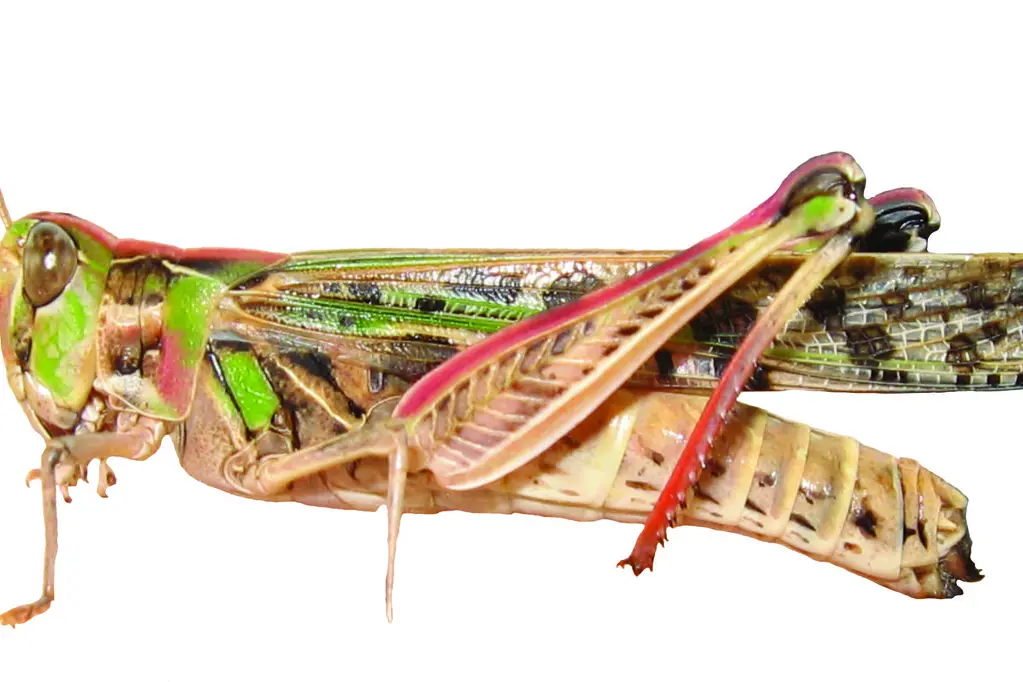
Plague locusts are readily identified by their red hind leg shanks, dark wingtips, and inwardly-sloped face.
Mr Robinson said while there are still some reports of yellow-winged locusts, Australian plague locusts are the major concern.