
PHOTO
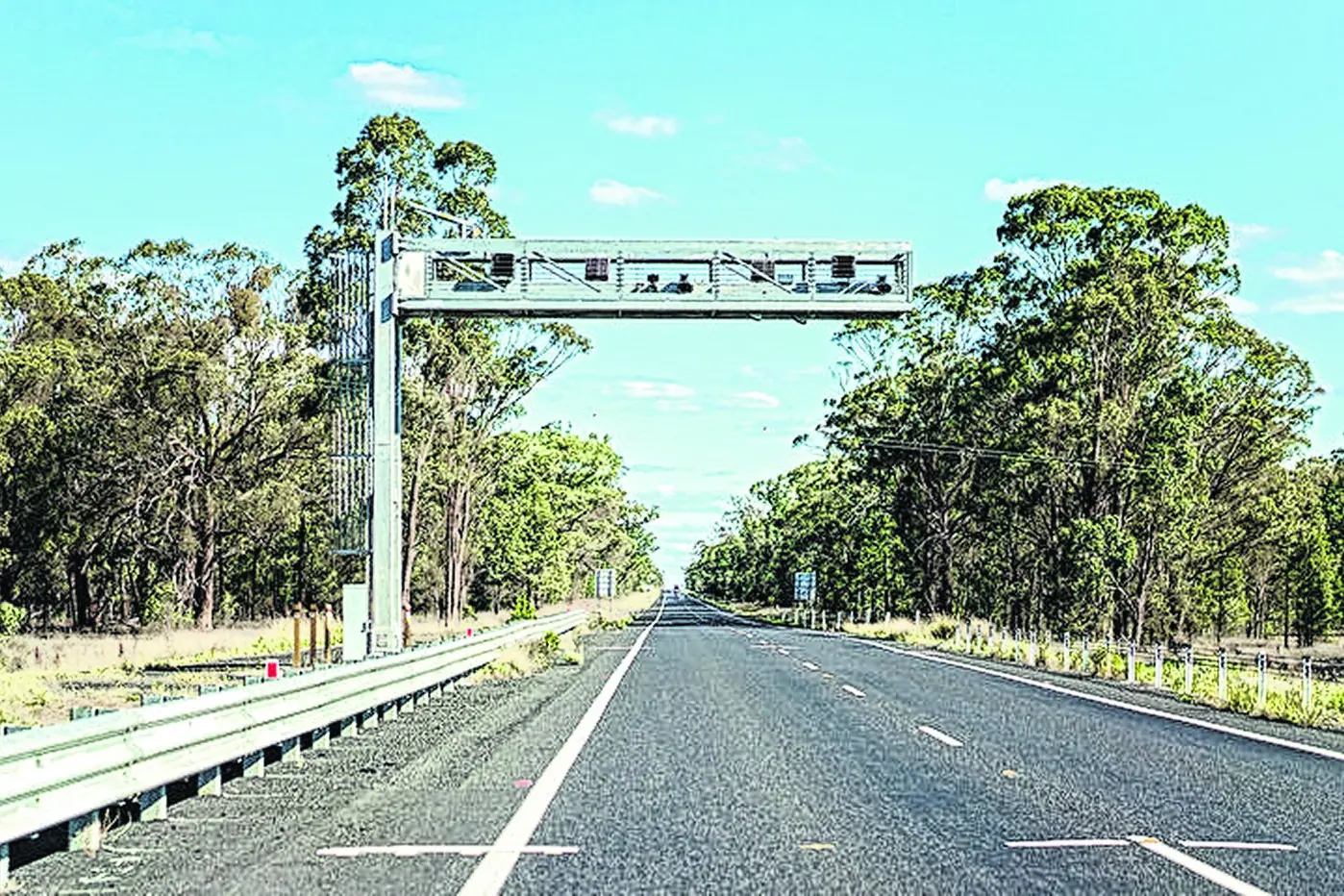
Central West drivers are familiar with the sight of hi-tech scanners and digital cameras used for point-to-point average speed readings, which are designed to ensure that our heavy truckers are not breaking the law.
With the extension of a six-month “trial” for all vehicle-users on some country roads, allegations of “revenue-raising” have rung out across the bush, with more regional residents to be penalised under the new initiative.
With the announcement of the plan to target both light and heavy vehicles between Kew and Lake Innes on the Central Coast, and Coolac and Gundagai in southern NSW, the state's Nationals Leader Dugald Saunders is crying foul.
“Every life lost on our roads is one too many, and we will always support genuine investment in road safety measures, but this very serious issue should not be used as a cash grab,” Mr Saunders said.
“If the Minns Labor Government is serious about tackling the state’s road toll, it should look for a broader approach, because this issue is not a regional issue, but a statewide one,” he said.
He added that money from fines through the new trials should go directly to repairing and upgrading regional roads.
“We also need a commitment from the Government that a proportionate amount of the revenue from these cameras will go back into road safety upgrades for the communities that are hosting them.”
Cameras already on the Great Western Highway between Raglan and Meadow Flat and between Mount Victoria and Lithgow show that country drivers are being targeted under the program, Shadow Minister for Regional Transport and Roads Dave Layzell said.
“The fact is the majority of the average speed cameras are already set up in regional NSW, and adding more just seems to be another example of the Minns Labor Government picking our pockets,” Mr Layzell said.
“If the figures have already improved and if this trial is genuinely about road safety, you have to question why the Government actually needs to raise any revenue from it at all. We all want to work towards zero deaths on our roads, but this trial seems to be a very narrow approach to a much larger problem,” he added.
The trials are part of a larger effort to improve road safety and reduce fatalities in regional areas and will involve a six-month period, with a 60-day grace period in which drivers will not be fined, followed by the introduction of fines and demerit point penalties.
The trial aims to assess the effectiveness of average speed cameras in reducing speeding and improving safety on specific stretches of regional highways. Success of the trials could lead to their wider introduction across country NSW, something that drivers on regional NSW roads will have to learn to live with.