
PHOTO
Future releases of re-introduced native species might have to place greater emphasis on feral cat control, research by the University of NSW (UNSW) in Sydney has found.
Conservation scientists from UNSW used DNA technology to identify feral cats as the primary predators responsible for the deaths of reintroduced native animals at two conservation sites.
The finding fits in with research data that suggests feral cats have killed more native animals than any other feral predators in Australia, and are believed to be responsible for two-thirds of mammal extinctions since European settlement.
But in a study published recently in the Australian Mammalogy journal, the researchers from UNSW and the University of Adelaide say the effect of feral cats on native animals is likely larger than previously thought.
Study co-author Professor Katherine Moseby said correctly determining cause of death of native animals and attributing it to the right predator has always been difficult.
“In past releases, we'd be radio-tracking animals after release, and if we found dead animals, it would be difficult to determine what caused their death,” Prof Moseby explained.
“We would use field evidence like animal spoor, carcass remains, or bite marks on collars to guess whether it was feral cats, birds of prey, fox, or if they just died a natural death,” she added.
The study found, however, that a DNA swab of the dead animal was a reliable way to identify if predation was the cause of death.
The main finding of the study was that field evidence was not a reliable indicator of predation by feral cats, and that DNA and necropsy were needed to confirm cat predation.
Most feral cat DNA was found either on radio tracking collars fitted to some of the animals post-release, or on wounds to the body. The study focused on two outback Australian sites where researchers had released native animals in previous translocations of four different species.
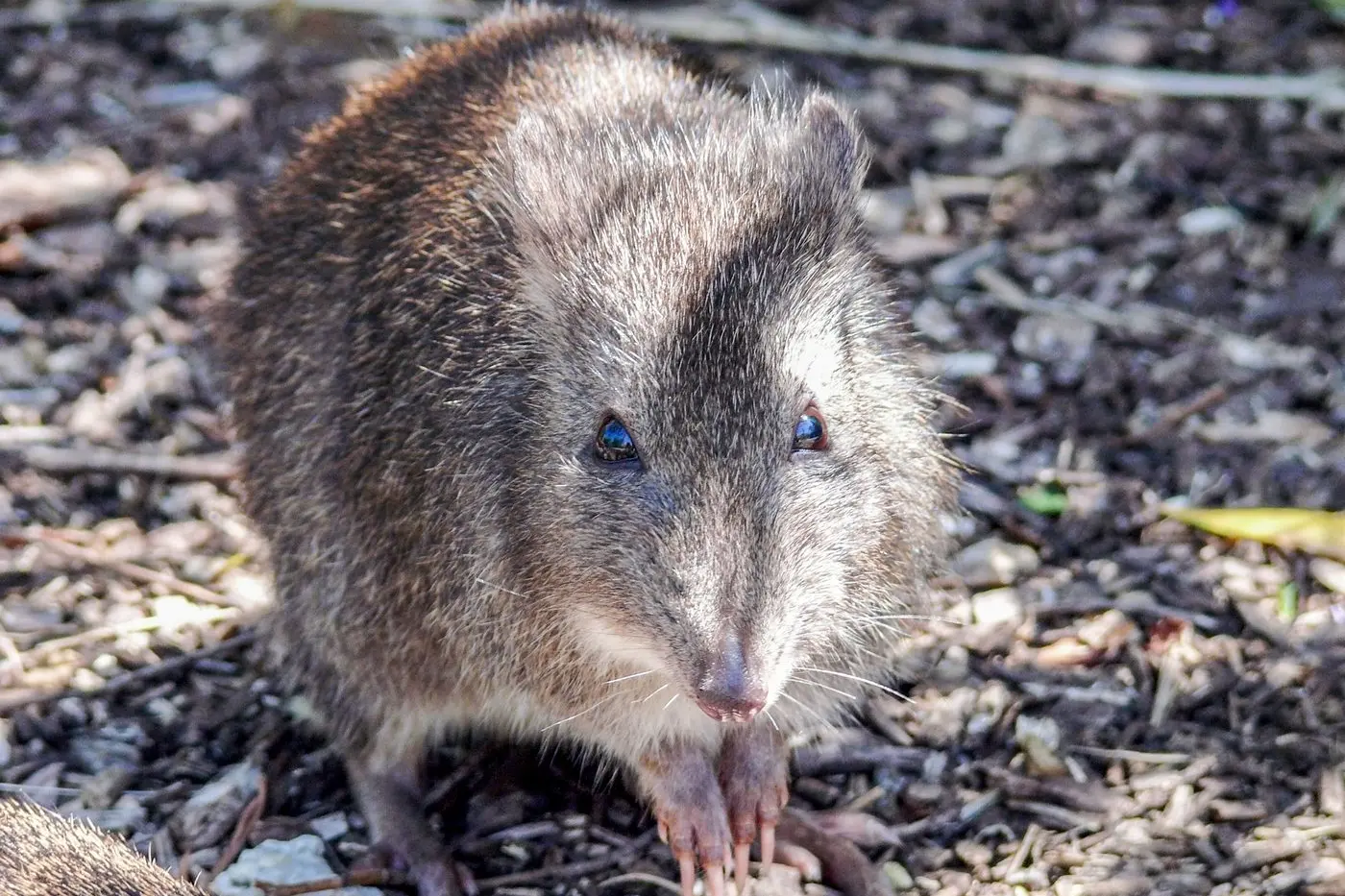
At one site the researchers released 148 brush-tailed possums and 110 western quolls between 2014 and 2016, while at the other, the scientists released 42 greater bilbies and 89 bettongs in 2017. None of the bettongs survived the cat predation.
Of the 389 animals released at both sites, a total of 74 animals were confirmed killed by cats, with 96 per cent of these – or 71 – determined by DNA analysis.
“Ultimately, it highlighted that there are a lot more cat killings than previously thought,” Prof Moseby said.
“Until we develop genetic tools or other broadscale methods targeted at feral cats, we can only rely on intensely managing them as best we can,” she concluded