
PHOTO
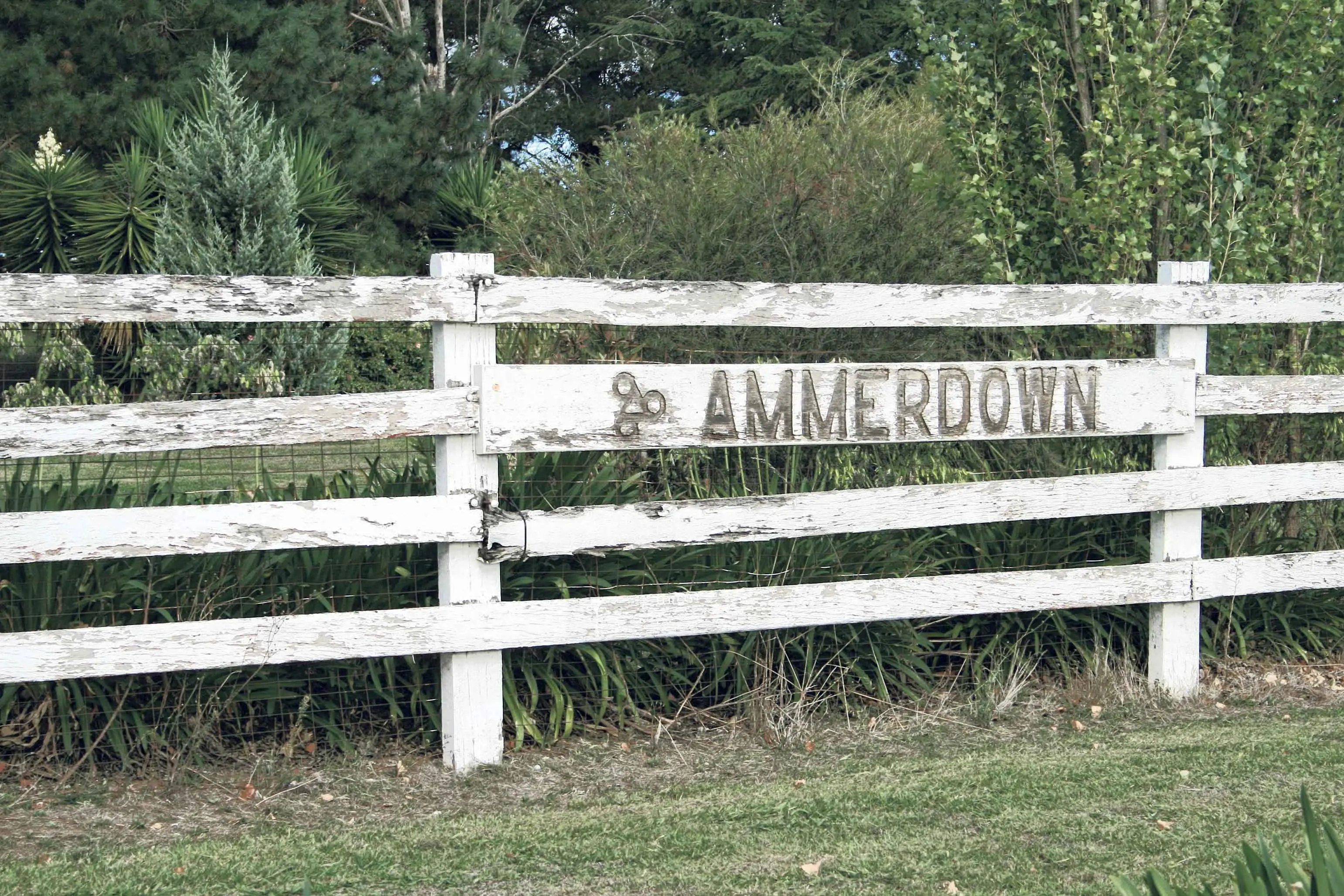
Occasional keen-eyed travellers to the region may wonder about a strange tri-circle logo gradually disappearing with time from a weather-beaten sign heralding a long-established rural development in north Orange.
Current angst over the war in the Middle East and threatened fuel supplies recalls a previous petrol crisis from a distant era, of which the 'Ammerdown' estate hoarding is one of the few remaining physical reminders.
Even most contemporary locals would be unaware of the grand plans of the early 1970s to turn the Central Tablelands into one of the nation’s major growth centres.
The Bathurst Orange Development Corporation (BODC) was to be the administrative agent for this brave new world of regionalisation established to eventually reduce the metropolitan clutter of Sydney and Melbourne.
It all started with the NSW Government announcing the local region as a “pilot growth centre” in October, 1972, with the newly-elected Federal Government joining the project which dovetailed so well into Prime Minister Gough Whitlam’s visions of a decentralised nation of medium-sized cities.
Australia had entered the 1970s on the back of a 30-year economic boom that promised, via Keynesian economic theory of using government spending to iron out economic dips and troughs, to go on forever.
Election of the Whitlam Government in late 1972 then led to a rush of policy reforms, social initiatives, and “nation-building projects” that Labor had been sitting-on over 23 long years in opposition.
One of these were plans for a major new city to be built from scratch between Bathurst and Orange — to be called Vittoria — that would alleviate the congestion, pollution, and inefficiencies of our major metropolitan areas.
The Commonwealth Growth Centres (Development Corporations) Act then established the BODC, which formally commenced operations on July 1, 1974, to manage the economic development of the Bathurst, Orange, and Blayney growth area.
In simple terms, the corporation was designed to promote, coordinate, and manage the economic growth of the region via industrial land acquisition and building development.
Aims included regional growth and decentralisation, development and land acquisition, planning and coordination, economic development, research and advisory into the needs of the growth centre, and community partnerships.
Their nifty logo, comprising three small circles joined by diagonal lines in a triangle, represented Bathurst, Orange, and Blayney, with the centre of which was to be the planned “super city” of 250,000 people to be established on the Great Western Highway.
Staff at its peak was in the hundreds — including a “bureaucratic invasion” of architects, surveyors, and economists — with a budget in the millions and the corporation acquiring a whopping 5406 hectares (13,000 acres) of land for the "New City" project.
In bricks-and-mortar terms, though, the giant (and for large periods of time, mostly empty) Bathurst Post Office and Blayney Office Block, were two of their few tangible achievements.
At around this period, clouds were also appearing on the horizon of the bright, bold future that most voters in those optimistic times imagined for both Australia and the wider world.
Suddenly rising inflation fired via money printing by the US Federal Reserve during the Vietnam War, creeping unemployment — in which newspapers started reporting school-leavers having to take their second or third job choices upon entering the workforce —and the sudden fuel shock caused by the Yom Kippur War, ultimately put paid to those plans.
The economic levers of fiscal policy, whereby government spending would be used like a tap to either increase economic activity during slow times, or choke demand during booms, were no longer working, leading to the spectre of “stagflation”... a stagnant economy and growing inflation.
The newly powerful Arab countries of the Organisation of the Petroleum Exporting Countries (OPEC) also decided to suddenly apply a fuel embargo, which created an “oil shock” on Western countries that had supported Israel in its bloody 1973 clash with Egypt, Syria and Jordan. This led to petrol prices tripling and quadrupling with subsequent inflation jumping to as high as 18 per cent in countries like Australia, Britain, and the United States.
Suddenly, grandiloquent nation-building projects, funded by ever-increasing government spending, were less important to most average Australians than keeping their jobs, the ability to pay their mortgages on 10 per cent interest rates, and getting enough fuel to get to work and back.
This was followed by the constitutional crisis of late 1975 that led to the dismissal and eventual electoral demise of the Whitlam Labour Government, leaving the BODC as an administrative orphan in a vastly changed time.
The organisation limped on for another decade-and-a-half with a greatly reduced staff and ambitions, and was eventually abolished in 1992, with its remaining assets, land, and liabilities transferred to local councils.