
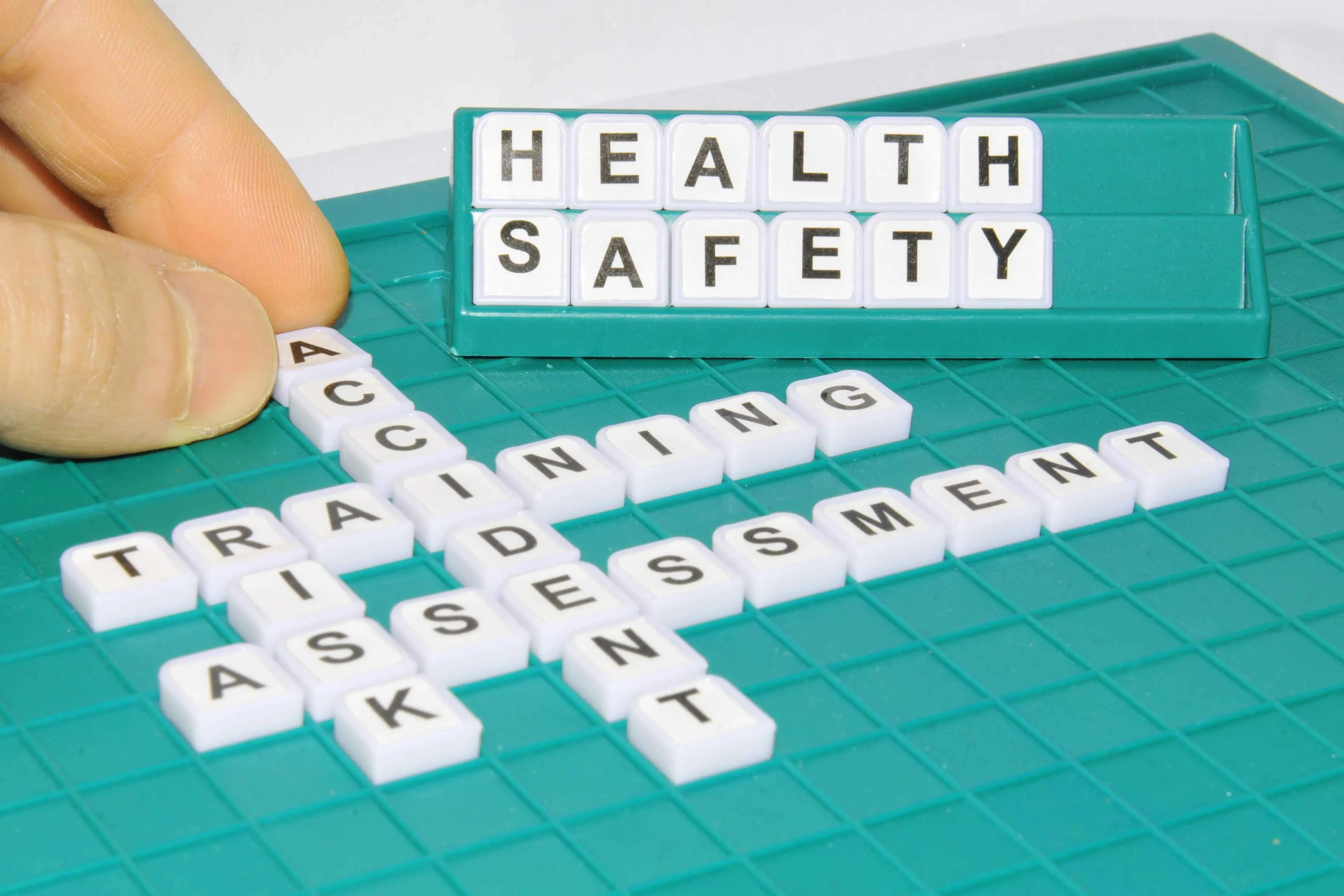
PHOTO
To the editor,
As we navigate the significant work health and safety (WHS) regulatory shifts taking effect this year, it is worth pausing to reflect on the forty-year journey that brought us here. For those of us who have lived through the evolution of Australian industrial safety, the trajectory is telling.
The landmark Occupational Health and Safety (OHS) Act of 1983 was our first real line in the sand. It moved us away from a "wait for an accident" (reactive) mindset toward a proactive duty of care. It was a foundational era where the focus remained largely on the physical — the hard hats and the machine guarding. The term ‘accident’ has now largely disappeared from the WHS scene and is replaced by ‘incident’.
Fast forward to 2012, and the shift from OHS to WHS modernised the "worker" definition. It acknowledged that the modern workforce was no longer just employees on a factory floor but includes a complex web of contractors and volunteers. (‘OHS’ is still used, for example, in the internationally applied OHS Management System standard – ISO AS/NZS 45001(2018), and its amendments.)
Now, in 2026, the net has widened further. Perhaps most surprising is that churches and religious organisations are increasingly recognising that WHS duties cover faith-based settings, too. Of note, a church in Orange has recently received an Improvement Notice from SafeworkNSW. (For any doubters about religious obligations to the non-religious law, they can check one notable reference: the Bible, Romans 13:1-7.)
Over the last 35 years, my observations in/around Western NSW are that many small businesses are either ignorant or deceiving themselves by not ‘doing their WHS duty’ and are hoping not to get caught out by the regulator/s (e.g., SafeworkNSW / Resources Regulator / EPA / Dept of Fair Trading / National Heavy Vehicle Regulator). But such playing of the ‘ignorance card’ is no longer accepted. If an organisation has an ABN and ‘employs’ even one person, it becomes a PCBU (Person Conducting a Business or Undertaking) and owes a full duty of care to every member of the organisation, including its unpaid volunteers.
The expectations placed on organisations and their leaders have also increased significantly in recent years. Changes to WHS legislation now place greater emphasis on due diligence, governance, and the responsibility of officers and decision-makers to actively ensure safe systems of work. For churches and community organisations alike, this highlights the importance of understanding WHS obligations and taking practical steps to support both workers and volunteers. And even ‘bosses’ are entitled to ‘safe places to work’. Who do you know who was/is a boss and has been killed or injured at work?
Recent legislative changes, including the introduction of Industrial Manslaughter provisions in NSW, reflect a broader community expectation that organisations and their leaders take workplace safety seriously. While these laws are aimed at the most serious failures, they also serve as a reminder that effective WHS governance and proactive risk management are now essential responsibilities for all organisations, including religious groups.
In 1983, we worried about a worker losing a finger. In 2026, we are managing everything from psycho-social hazards to the massive liability of community ‘boards’. Safety remains a non-negotiable value — and in today’s climate, ignorance is no longer a legal defence.
To provide a WHS update/refresher for directors/managers/supervisors, Mid-West Risk Management, Orange, is running a series of training days around the region, in the form of the one-day Safework-approved HSReps Refresher Course. The course is the one offered to workplace HSReps but gives ‘bosses’ an up-to-date appreciation of the role of their HSReps and enhances their own WHS management/due diligence skills. [Refer to Due Diligence in NSW WHS Act 2011, Section 27, 5(a-e)].
Sincerely,
Michael Middleton
Mid-West Risk Management, Orange.
SafeWork NSW Licensed HSR Trainer.
Fellow, Aust Inst for Health & Safety.