
PHOTO
With autumn settling in, now’s the time of year when the much-hated and feared European wasps are most commonly out and about. But, be warned, don’t try and take them on yourself.
That’s the advice of Craig Kramer from Eagle Eye Pest Control in Orange, who has had 25 years dealing with one of our most persistent and dangerous introduced insects.
“That’s 100 per cent right, at this time of year, I’m spending plenty of time on wasp nests in the region,” Craig said. “But be aware because, if they swarm, there is nothing you can do to avoid them, unless you’re in a beekeeper’s suit,” he added.
With specialist training in combatting and controlling this spreading pest species, he never takes their threat lightly.
“I wear a full beekeeper’s suit, elbow-length leather gloves, and fully zipper up… I’ve had people try and take them on with WD40; but I take no chances, that’s for sure.
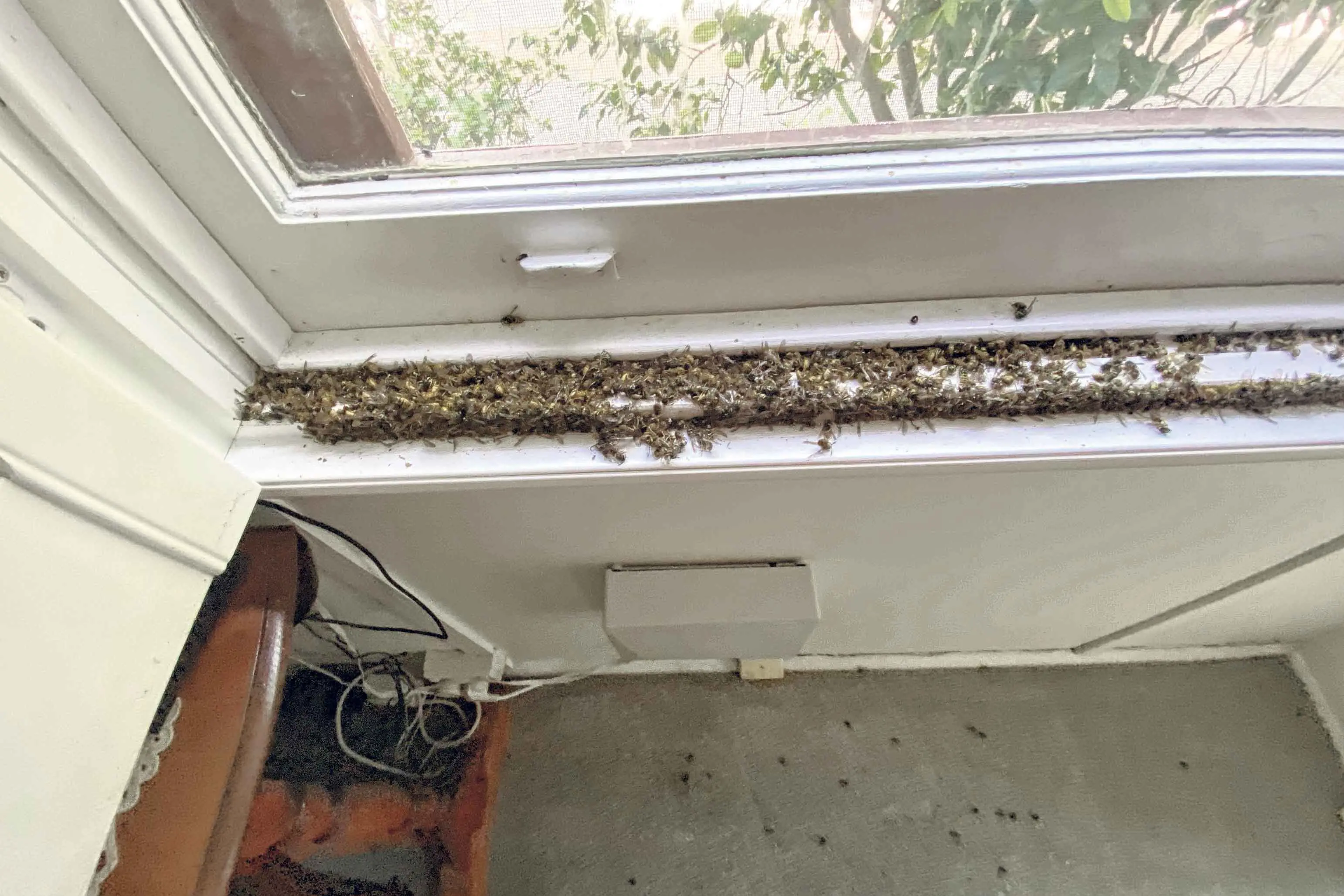
“I recently had a lady who had probably 20 wasps in and out of a window; I came back and there was full swarm there, which you should never approach,” Craig said.
He said that one of the most dangerous things you can do is to climb a ladder to try and reach their nests under eaves or in other typically elevated locations.
“With do-it-yourselfers, they often climb a ladder and you should never do that because, if they attack and you fall off the ladder, you’re still in that wasp area.
“I never climb ladders to get them, I’ve tripped over myself in the suit, and you can hear them attacking, trying to get in the suit,” Craig recalled.
With the wasps extending their range during autumn as they become hungrier and more aggressive, their active search for sugary foods and carbohydrates often brings them into contact with humans. This is the time of year, Craig explained, when they also generally invade public outdoor spaces, parks, and sports fields, canteens, schoolyards, and barbecue areas.
“You see it down places like Lake Canobolas where they are becoming a real problem, where you can’t open a can of drink without them trying to get in. I’m also accredited for schools and other government buildings where I am currently doing a lot of my work,” Craig said.
While nests usually die off in winter in the colder areas of the Central Tablelands, with the queens overwintering in shelter until spring, part of their increasing spread throughout Australia is taking them into areas where the colonies survive the colder months.
“About 99 per cent of the time I don’t see the nests, I’m treating them through cracks in buildings and weep holes,” Craig said. “I treat them not just in Orange and surrounds, but throughout the Central West; I saw one nest that would have filled a traditional 55-litre rubbish bin, that’s how big it was,” he concluded.