
PHOTO
Buying a freestanding freezer can give households more room to take advantage of bulk buys, batch cooking and supermarket specials, but choosing the right model involves more than simply finding one that fits the available space.
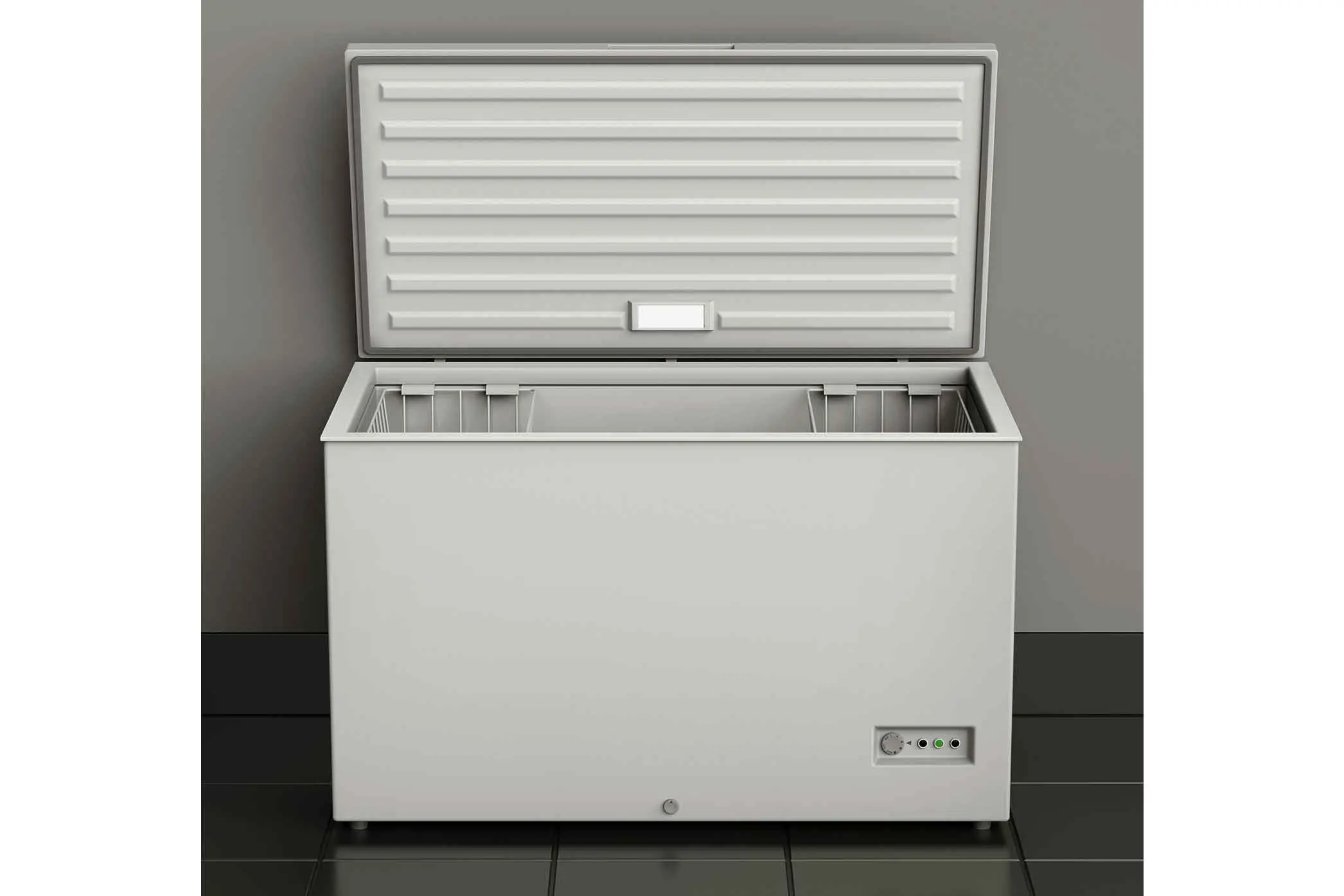
The first decision is generally between a chest freezer and an upright model. Consumer advocacy group CHOICE says chest freezers are typically cheaper to buy and run, perform well and can keep food cold for longer during a blackout. Their disadvantages include a larger footprint, harder-to-organise storage and the need to manually defrost many models.
Upright freezers resemble refrigerators and are generally easier to organise thanks to shelves and drawers. They also use less floor space and many are frost-free, although CHOICE says they tend to cost more to buy and run. Moving air in frost-free models can also contribute to freezer burn if food is not properly wrapped.
Size should be considered carefully. The Australian Government’s Energy Rating website says larger freezers generally consume more electricity, so households should avoid paying to cool capacity they are unlikely to use. Once the required capacity has been determined, buyers can compare similarly sized appliances using their Energy Rating Labels. More stars indicate greater efficiency, while the annual kilowatt-hour figure provides an estimate of electricity consumption.
Measure the proposed location as well as doorways the appliance must pass through. Upright models need enough clearance for the door and drawers to open fully, while chest freezers require clear space above the lid. Buyers planning to install a freezer in a garage should also check whether the model is designed to operate effectively in the temperatures likely in that space, according to CHOICE.
Food safety is another consideration. The NSW Food Authority recommends keeping freezers at minus-18C or below so food remains frozen solid.
During a power failure, keeping the freezer closed is important. The authority says a freezer should generally remain cold for about 24 hours without power if its door remains shut.
Ultimately, the best freezer is one that provides enough usable storage without unnecessary capacity, fits the available space and offers competitive long-term running costs.