
PHOTO
Australian homeowners are increasingly redesigning their gardens and outdoor spaces to better cope with the impacts of climate change, with experts urging the use of sustainable landscaping practices to improve resilience against heatwaves, drought, flooding and bushfires.
The effects of climate change are inspiring homeowners to make their properties more resilient in the face of extreme weather events, bushfires and unpredictable growing seasons. Thoughtful landscaping can play a key role in reducing environmental impacts while protecting homes and conserving resources.
One of the most effective measures is the use of native plants. When homeowners opt for species that naturally grow in their region, gardens typically require less irrigation, fertiliser and maintenance. Native vegetation is also generally more tolerant of local climate extremes and can provide important habitat for wildlife and pollinators.
According to the Department of Climate Change, Energy, the Environment and Water, water-efficient gardening and the use of drought-tolerant plants are becoming increasingly important as many regions face hotter temperatures and reduced rainfall.
Landscapers are also encouraging the use of eco-friendly and durable materials in outdoor designs. Natural fibres and biodegradable products can reduce environmental waste, while long-lasting materials such as metal, recycled composites and fibreglass can minimise replacement costs and resource consumption over time.
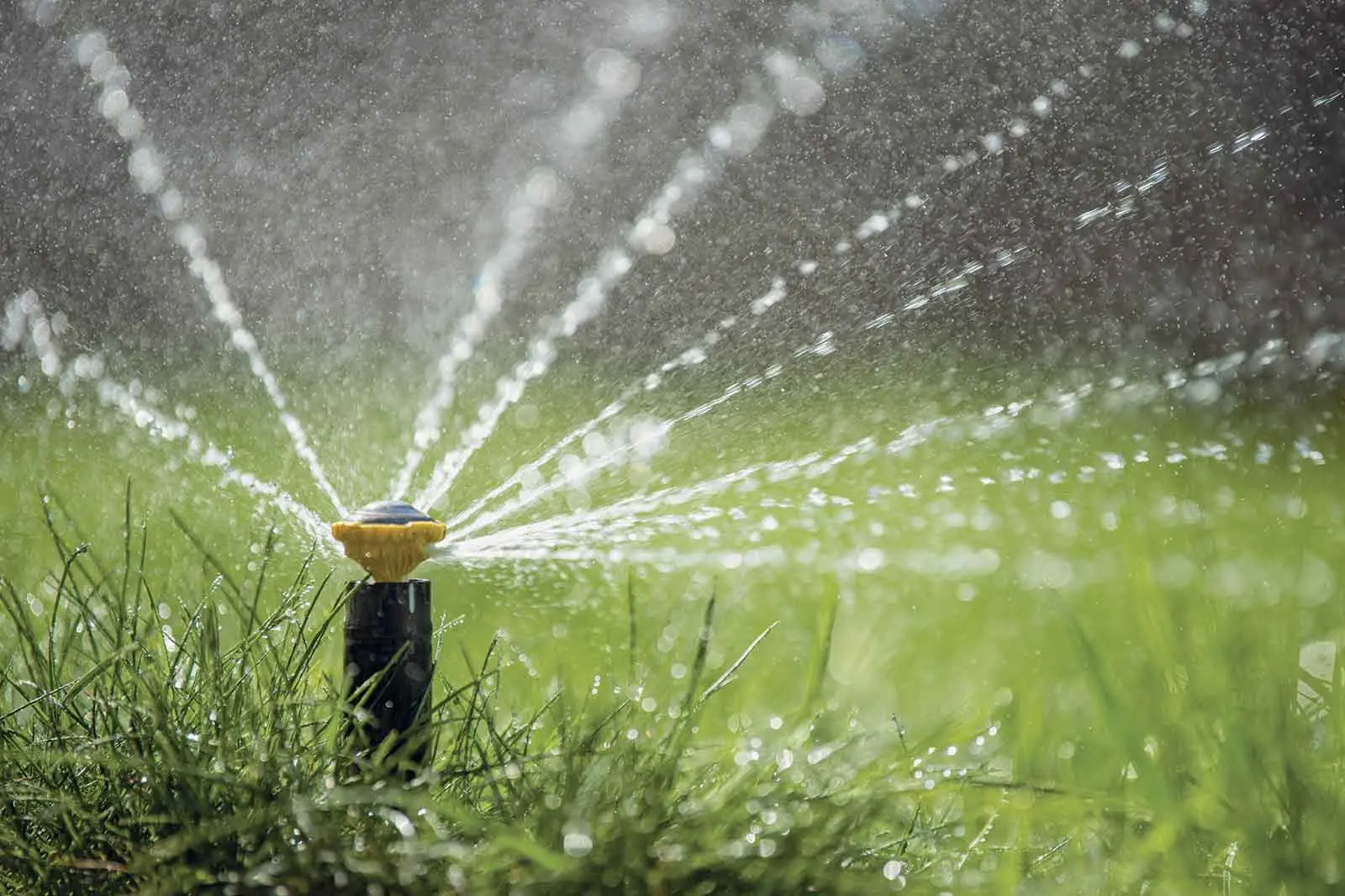
Technology is also playing a larger role in climate-smart gardens. Moisture sensors, automated irrigation systems and sprinkler timers can help reduce water wastage by delivering water only when needed. Adaptive outdoor lighting systems are also being used to reduce energy use and minimise light pollution.
Weather-resilient landscaping features are another growing focus. Well-positioned trees and hedges can act as windbreaks and provide shade that lowers surrounding temperatures. Permeable surfaces, rain gardens and improved stormwater drainage systems can help reduce flooding risks during heavy rainfall events.
Fire authorities have also highlighted the importance of carefully planned landscaping in bushfire-prone areas. The NSW Rural Fire Service recommends maintaining defendable space around homes and selecting low-flammability plants to help reduce bushfire risk.