
PHOTO
A productive vegetable garden needs more than regular watering. Checking the soil, choosing the right time of day and directing water to the roots can help plants through dry weather without leaving them waterlogged.
1. Watering by the calendar. A fixed schedule can deliver too little water during hot weather or too much after rain. Push a finger beneath the mulch and into the soil before reaching for the hose, as the Water Corporation advises. Prolonged waterlogging reduces oxygen in the soil and can worsen root rot in tomatoes. Young seedlings and established plants also have different water needs.
2. Watering in the midday heat. Early morning is generally the better time: cooler conditions reduce evaporation and give plants moisture for the day ahead. If a plant urgently needs water later in the day, water it then rather than waiting for the next morning.
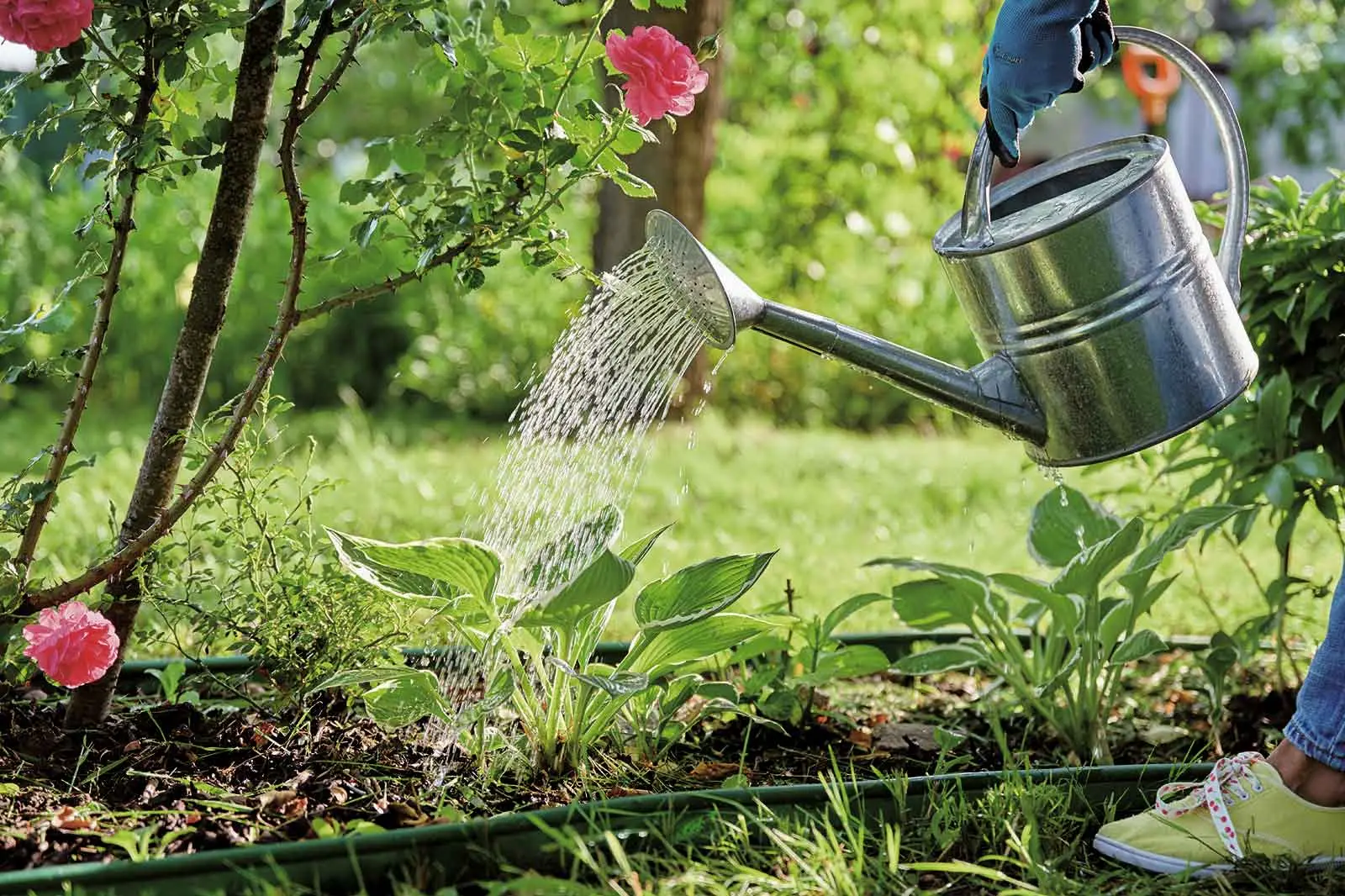
3. Soaking the leaves instead of the soil. Aim a hose or watering can at the base of the plant. Drip irrigation can deliver water to the root zone while limiting evaporation. Keeping foliage dry also helps with disease control, for example water splashing from soil can spread white blister spores to broccoli leaves, according to Agriculture Victoria.
4. Letting collected rainwater go to waste. A rainwater tank can provide water for the garden when rainfall is scarce. It needs upkeep, though. NSW Health recommends clearing debris from gutters and fitting fine screens to tank inlets and overflows to keep mosquitoes out. Any open containers of stored water should also be emptied regularly – NSW Health says mosquitoes can develop in standing water within about a week.