
PHOTO
6701.0
Australians planning a kitchen renovation are being encouraged to look beyond aesthetics, with modern design trends now combining bold European styling, practical layouts and energy-efficient features.
The ultimate in trendy kitchens may still favour uncluttered spaces, clean lines and dynamic colour palettes, but industry experts say functionality and sustainability are now just as important as visual appeal.
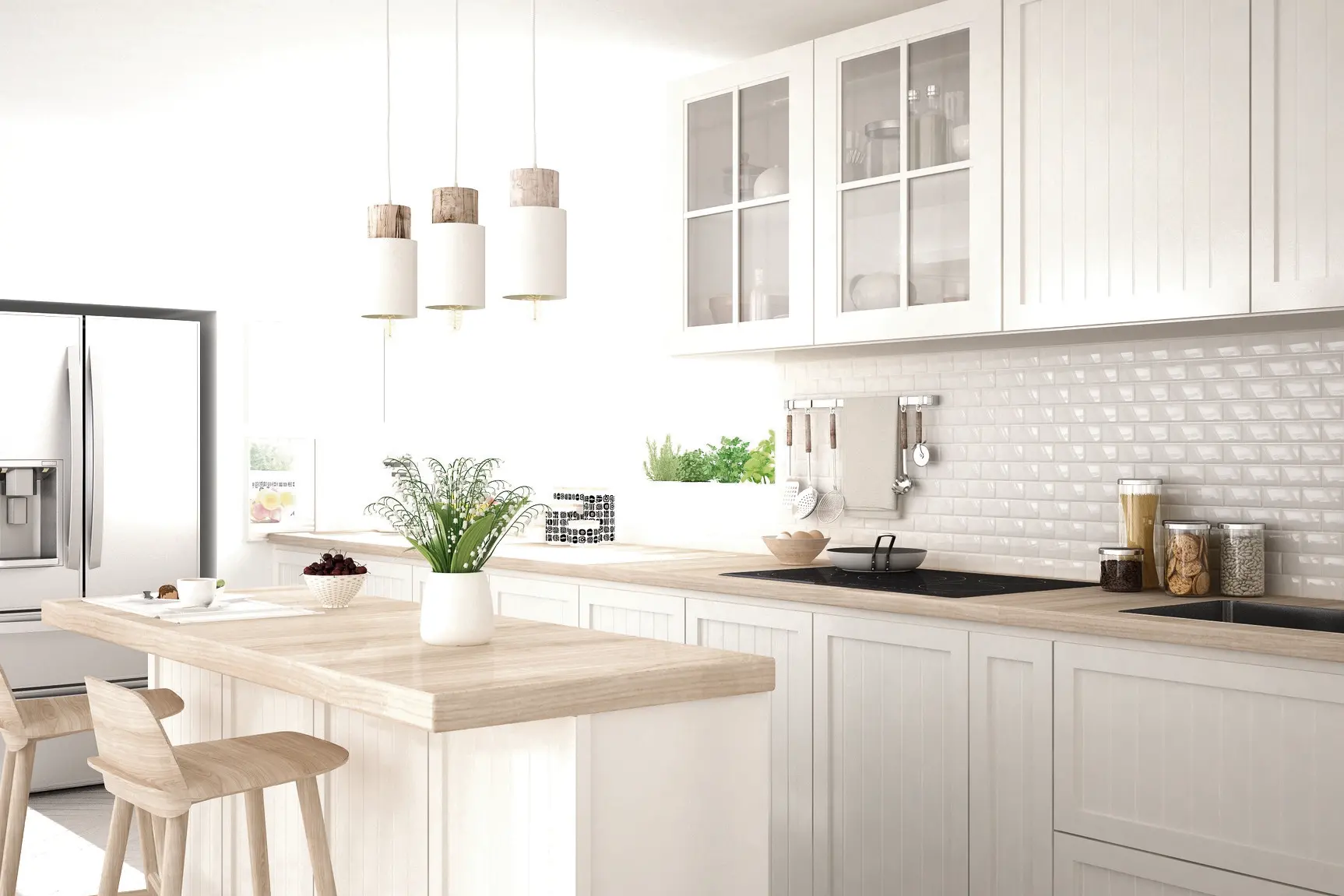
Two-toned cabinetry remains a standout feature in contemporary homes. Designers continue to pair white with natural finishes such as walnut or timber-look laminates, while more adventurous homeowners are opting for statement colours including deep greens, navy blues and even bright reds. Limiting bold tones to a single section of cabinetry helps avoid an overly busy look while still creating visual impact.
Material choices have also expanded significantly over the past decade. Durable engineered stone, including quartz, has become a popular alternative to natural materials like marble and granite due to its lower maintenance requirements. The Australian Government Department of Climate Change, Energy, the Environment and Water encourages homeowners to consider sustainable materials and products with lower environmental impact, particularly as renovations contribute to household waste and energy use.
For appliances, stainless steel remains a mainstay, but the rise of integrated and “hidden” appliances is reshaping kitchen design. According to CHOICE Australia, many consumers are opting for energy-efficient models with high star ratings, helping to reduce electricity and water consumption over time.
Modern tapware has also evolved. While single-handle mixers are still popular, new features such as pull-out spray heads, touchless activation and temperature indicators are increasingly common, reflecting a broader shift towards convenience and hygiene in the home.
Kitchen layouts are also becoming more flexible. Large, multi-purpose islands continue to be a centrepiece, often incorporating sinks, cooktops or breakfast bars. Storage solutions have improved, with ceiling-height cabinetry, deep drawers, pull-out shelves and integrated recycling bins helping to maximise space and reduce clutter.
Open shelving remains a popular design choice, offering easy access to frequently used items and the opportunity to display decorative pieces. However, experts warn it requires careful organisation to avoid becoming untidy.
Beyond appearance, the modern kitchen is increasingly connected. Smart appliances that can be controlled remotely, monitor energy use or assist with cooking are gaining traction, particularly among tech-savvy households.
With renovation costs rising, industry professionals recommend careful planning and, where possible, consulting a qualified kitchen designer to balance style, practicality and budget.