
PHOTO
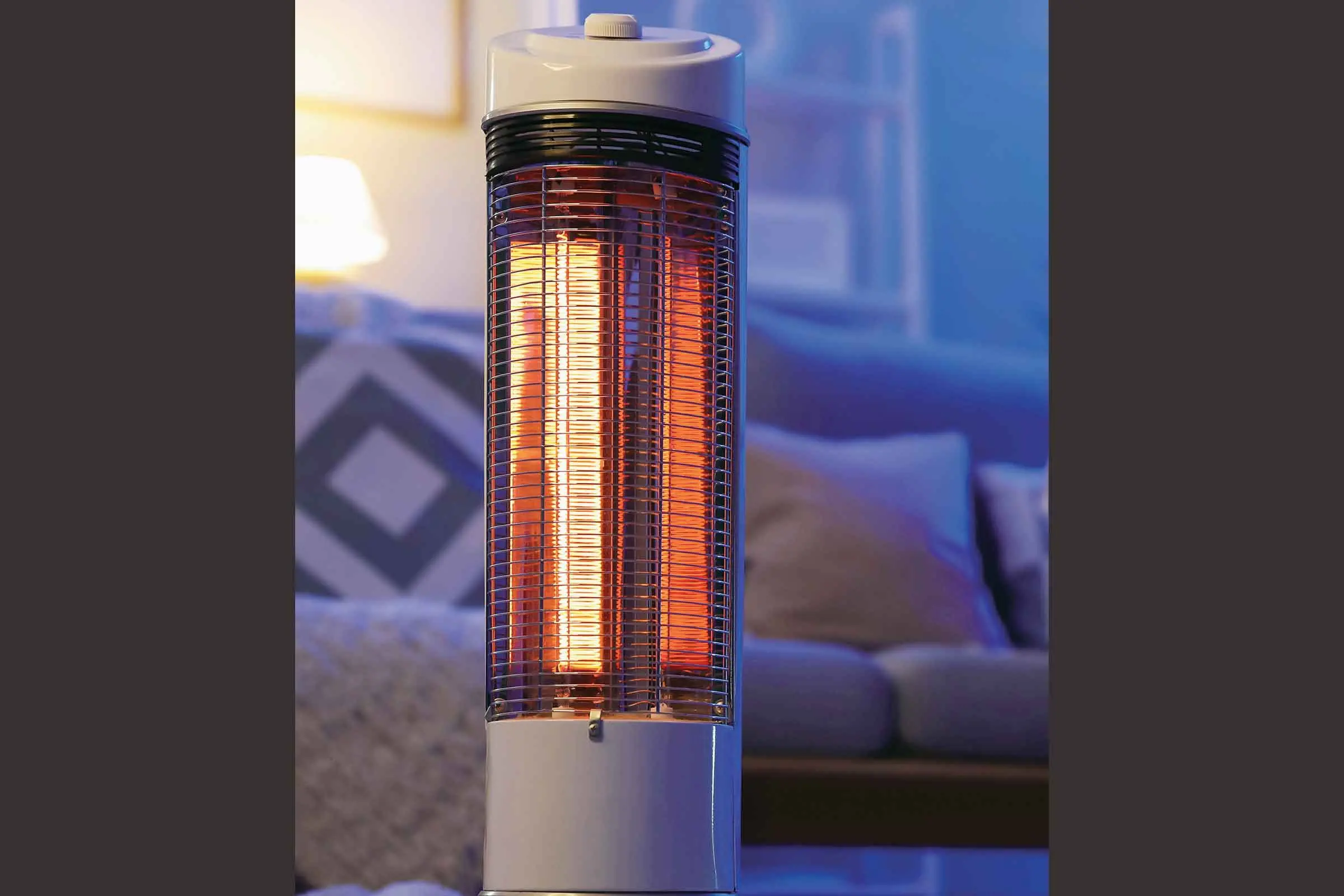
Infrared auxiliary heating is emerging as a popular and potentially efficient way to stay warm during winter, as households look to manage rising energy costs and improve comfort.
Unlike traditional heating appliances that warm the air, infrared heaters emit radiant heat that directly warms objects such as walls, furniture and people. These objects then re-radiate heat back into the room, creating a more even and consistent warmth.
Energy experts say this method can reduce heat loss, particularly in draughty homes, because it avoids the need to continuously heat circulating air. According to guidance from the Australian Government Department of Climate Change, Energy, the Environment and Water, heating and cooling typically account for around 40 per cent of household energy use, making efficiency improvements a key focus for reducing power bills.
Infrared systems also operate without combustion, meaning they do not produce emissions or condensation inside the home. This can help minimise issues such as mould and dampness, which are common concerns in cooler months.
Different types of infrared heaters are available depending on the application. Long-wave units provide gentle, sustained warmth suited to larger, well-insulated rooms. Medium-wave heaters are designed for faster heating in spaces without central systems, while short-wave models deliver more intense heat and are commonly used outdoors, such as on patios.
Consumer advocates, including CHOICE Australia, note that while infrared heaters can be effective for targeted heating, their overall efficiency depends on factors such as insulation, room size and how the device is used. They recommend comparing running costs and energy ratings with other electric heating options before purchasing.
Safety regulators also advise ensuring any heater meets Australian standards and is used in accordance with manufacturer instructions, particularly when used around children or in confined spaces.
With winter temperatures dropping across much of the country, experts say choosing the right heating solution – and using it efficiently – can make a significant difference to both comfort and household energy bills.
Consult a local expert before buying, to make sure your choice of heating is safe and suitable for your specific needs.