
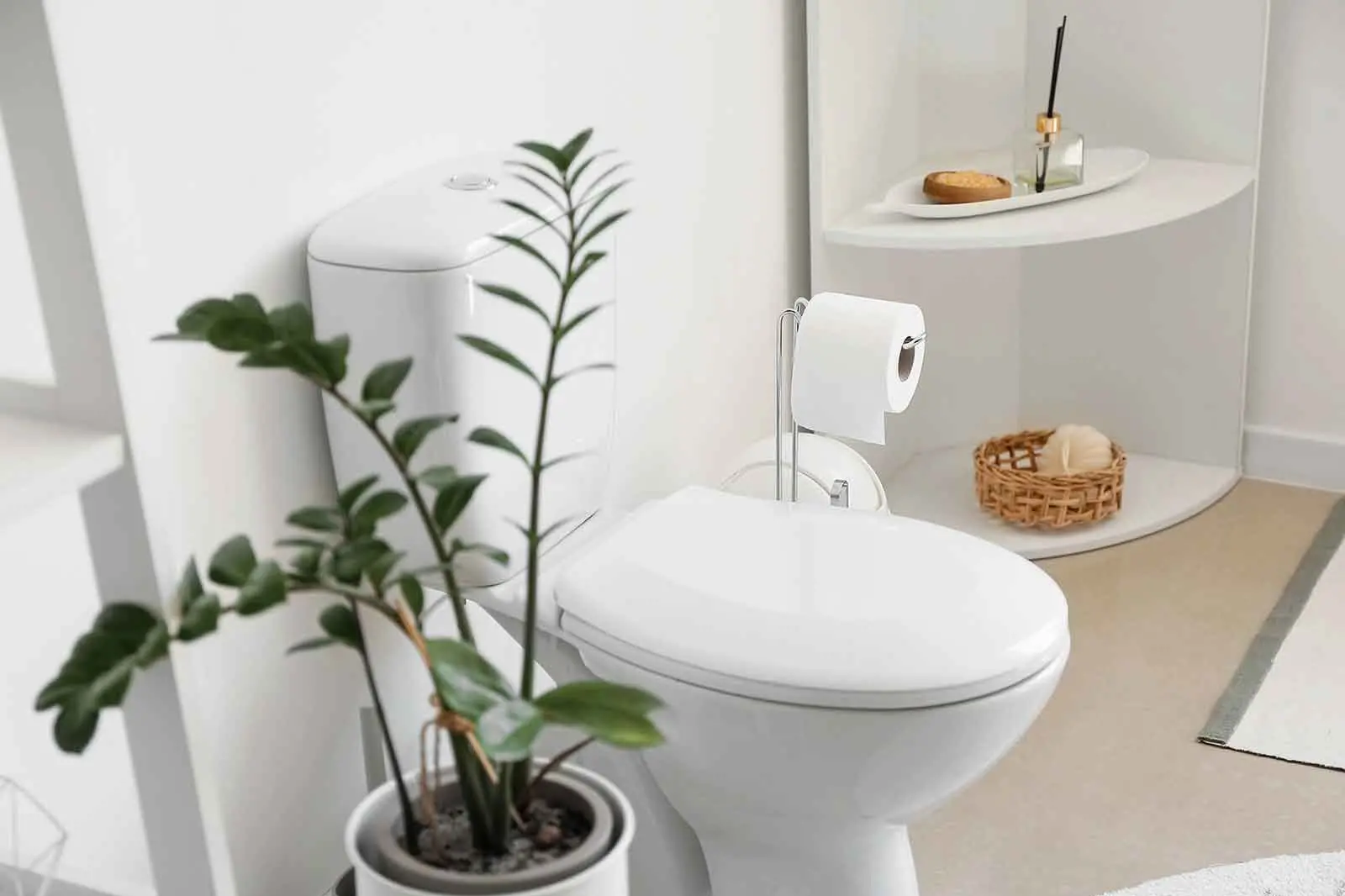
PHOTO
Australians are being encouraged to reduce water consumption at home by switching to low-flow toilets, as pressure on water supplies increases amid more frequent drought conditions.
Do your part for the planet by installing a low-flow toilet. If you need to replace your old toilet, choosing a water-efficient model can significantly cut household water use. Toilets can account for up to one-third of indoor water consumption, according to Australian government data, making them one of the biggest opportunities for savings.
A standard older-style toilet can use around 11 to 14 litres per flush. By comparison, modern low-flow or dual-flush systems typically use as little as 3 litres for a half flush and 4.5 to 6 litres for a full flush. The government’s Water Efficiency Labelling and Standards (WELS) scheme requires new toilets to meet strict efficiency benchmarks, helping households identify high-performing models.
These systems rely on improved bowl design and flushing mechanisms that combine gravity and water pressure to remove waste effectively while using less water. Over time, this can translate into substantial savings on water bills, particularly for larger households.
Before installing a new unit, homeowners should consider their plumbing. Newer homes with narrower PVC piping generally perform well with low-flow systems. In older homes with cast-iron pipes, reduced flow may require a dual-flush model to maintain performance.
Water authorities and sustainability experts also note that upgrading to efficient fixtures is one of the easiest ways to reduce household environmental impact without major renovations.
Hire a licensed plumber to ensure correct installation and compliance with local regulations, maximising both performance and water savings.