
PHOTO
6958.0
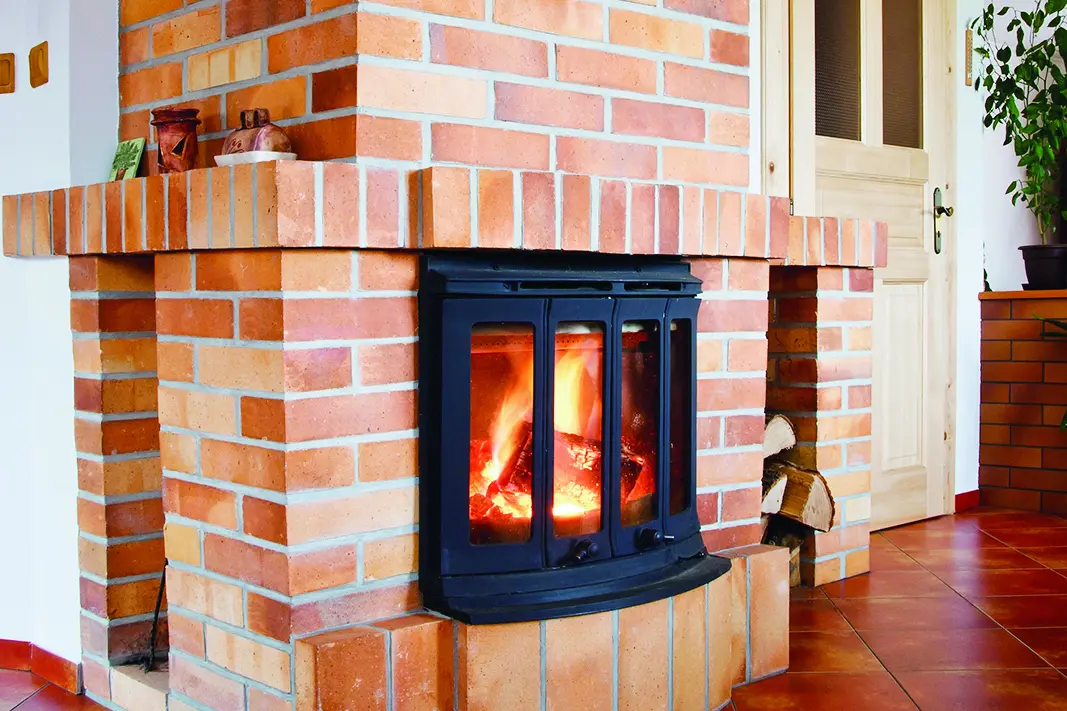
Homeowners looking to stay warm this winter might like to consider masonry heaters. Even though other options may be more popular, it's worth adding masonry heaters as an option with experts highlighting their efficiency, lower emissions and long-lasting heat as key advantages over traditional wood-fired systems.
With energy costs remaining a concern and colder conditions impacting many inland regions, authorities including the Australian Government Department of Climate Change, Energy, the Environment and Water say improving home heating efficiency can play a significant role in reducing both household bills and environmental impact.
Masonry heaters differ from conventional wood heaters by storing heat within their solid structure and releasing it slowly over time. Built from materials such as brick, stone or concrete, the units feature a firebox where wood is burned at very high temperatures. The resulting gases are then reburned in a secondary combustion chamber, a process that can exceed 850°C and significantly reduce smoke and particulate emissions.
This design allows masonry heaters to extract more energy from each piece of wood while producing minimal ash and creosote, lowering maintenance requirements and reducing chimney fire risks. According to industry and government guidance, more complete combustion also means fewer harmful pollutants compared to older-style wood heaters.
According to the NSW Environment Protection Authority, poorly operated or outdated wood heaters are a major source of winter air pollution in some communities, particularly across regional NSW. As a result, households are encouraged to use cleaner-burning appliances and properly seasoned firewood to limit smoke emissions.
While masonry heaters typically involve a higher upfront installation cost, their thermal mass enables them to provide steady warmth for many hours after a single burn, improving overall efficiency. Some designs also incorporate features such as built-in ovens, adding both functionality and aesthetic appeal to living spaces.
However, experts do caution that installation must comply with Australian standards and local regulations, and should always be carried out by qualified professionals. Proper design, ventilation and operation are essential to ensure safety and performance.