
PHOTO
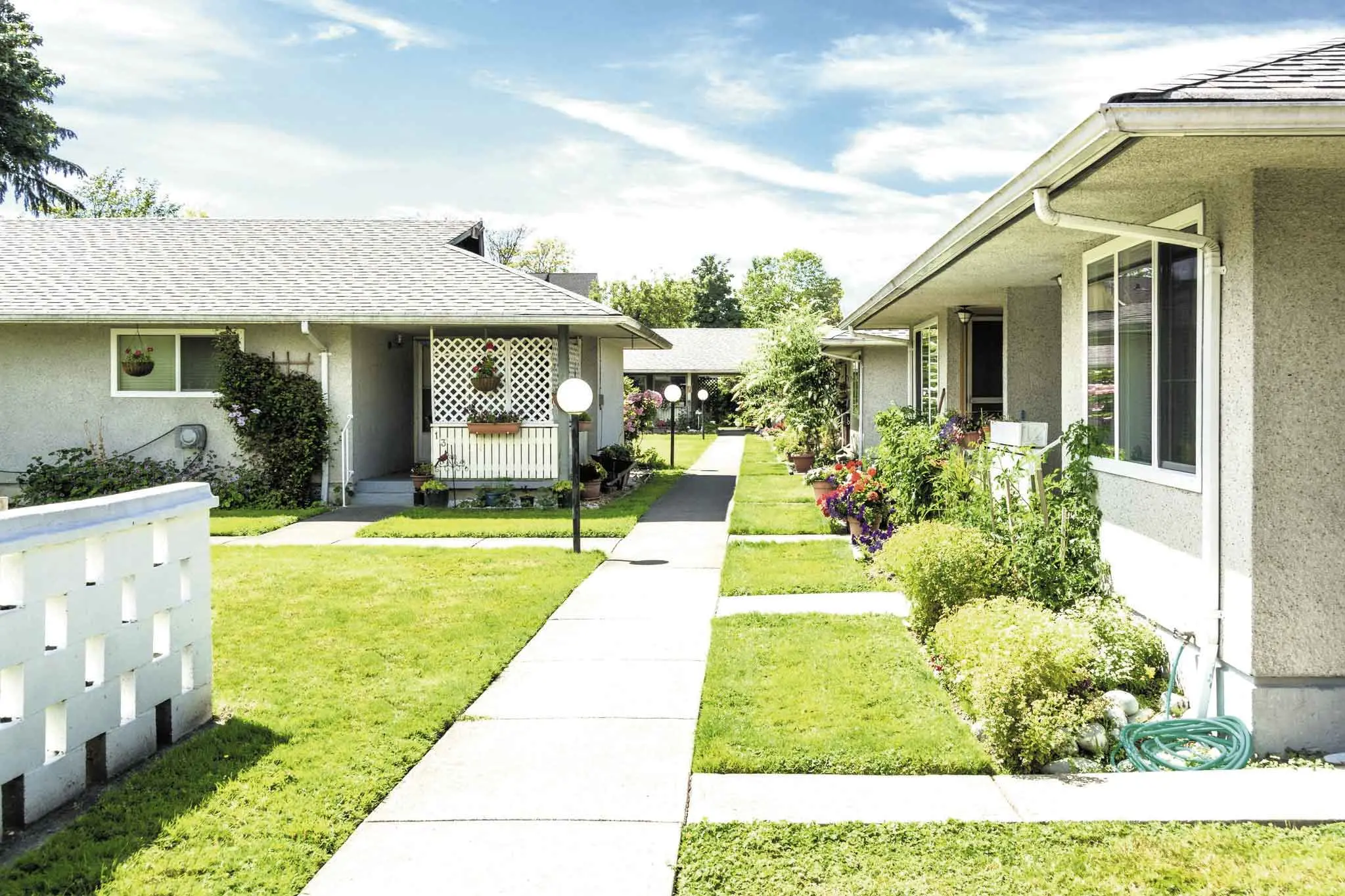
Buying a duplex, small block of units or other multi-dwelling property and living in one residence while renting out the others can help owners offset housing costs, but prospective buyers are being urged to consider the financial, legal and personal demands before signing a contract.
The arrangement, often described as owner-occupier investing, can provide regular rental income while allowing the owner to live on-site and keep a closer eye on maintenance, security and the condition of the property.
Living nearby may also make it easier to respond quickly when tenants report an urgent problem, such as a burst water service, gas leak or blocked toilet. However, proximity can blur the line between being a neighbour and being a landlord, particularly when complaints, noise concerns or repair requests arise.
Here are some of the important matters to be considered. Keep in mind this information can only be general in nature, and so you should seek professional advice to suit your specific circumstances.
Under NSW tenancy rules, landlords must ensure rental homes are fit to live in and meet health and safety requirements. They must also comply with notice requirements before entering a tenant’s home, except in genuine emergencies.
The financial benefits also need to be assessed carefully. Rental income should be declared in a tax return, while deductions can generally only be claimed for expenses connected with the rented part of the property. The Australian Taxation Office says owners who rent out part of their home may need to apportion costs such as loan interest, rates, insurance and repairs between private and income-producing use.
That distinction can have longer-term consequences. The ATO warns that earning rental income from part of a main residence can affect the capital gains tax exemption when the property is sold.
There can also be implications for land tax. Revenue NSW says a principal-place-of-residence exemption may still apply when part of a home is rented out in limited circumstances, including certain arrangements involving one flat or rooms. Owners leasing out a larger proportion may instead qualify for only a partial exemption.
Buyers should not assume that living in one dwelling automatically guarantees a lower deposit, owner-occupier interest rate or more favourable lending terms. Moneysmart advises borrowers to compare loan rates, fees and features across lenders, while noting that lender’s mortgage insurance is commonly charged when borrowing more than 80 per cent of a property’s value.
Before proceeding, buyers should obtain advice from a lender or mortgage broker, accountant, conveyancer and property professional. They should also consider vacancy periods, repairs, insurance, tenant privacy and whether living beside renters suits their long-term lifestyle.
The strategy can provide an entry point into property ownership and future investment, but it works best when rental income is treated as support for a well-planned budget rather than a guarantee of profit.
The information here is general in nature, and believed correct at time of writing, and so the next step is to seek out expert advice that deals with your specific circumstances.