
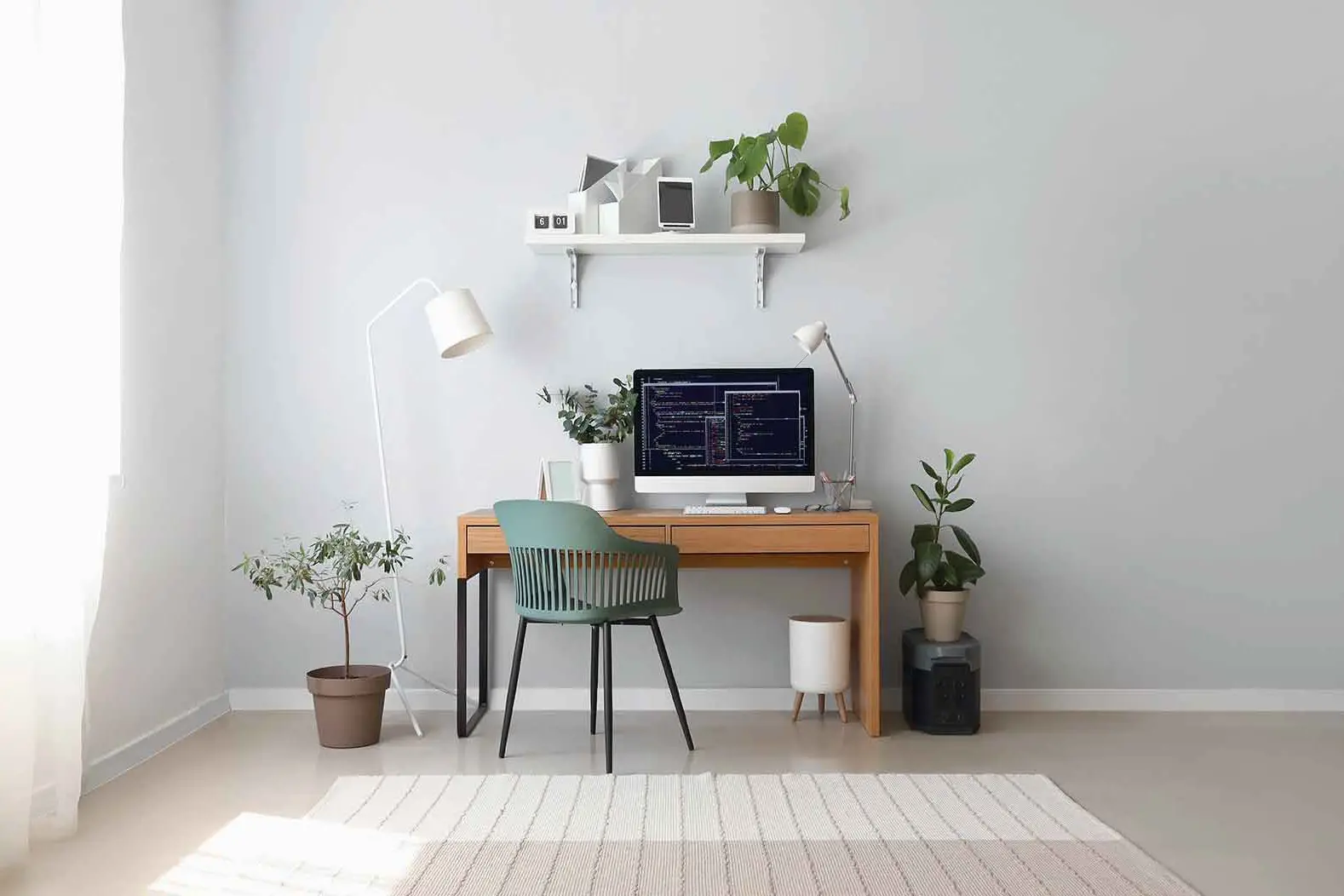
PHOTO
With remote and hybrid working arrangements becoming more normal across Australia, many households are setting up permanent workspaces at home. While ergonomics and comfort are critical considerations, experts say lighting plays an equally important role in productivity and wellbeing.
Good lighting can help reduce eye strain, improve concentration and support healthy work habits during long hours at a desk.
One of the most effective ways to improve a home office is by maximising natural light. Placing a desk near a window can boost focus and mood, according to workplace health guidance from the Australian government, which notes that exposure to daylight can help regulate alertness during the workday.
However, sunlight should not fall directly onto a computer screen, as glare can make it difficult to read. Adjustable blinds or opaque curtains can help control brightness during different times of the day.
Lighting specialists also recommend using multiple light sources rather than relying on a single ceiling light. Combining overhead lighting with task lamps positioned at different heights can reduce harsh shadows and prevent sudden lighting contrasts that may cause eye strain.
Desk lamps are particularly useful for detailed tasks such as reading documents or writing notes.
The tone or colour temperature of lighting is another important factor. While warm lighting with yellow or orange tones can create a comfortable atmosphere, it tends to promote relaxation.
For workspaces, cooler white or slightly bluish lighting is often recommended because it can help people feel more alert and focused.
Work health and safety guidelines also suggest positioning screens and lights carefully to reduce glare and reflections.
By combining natural light, well-placed lamps and the right colour temperature, homeowners can create a comfortable and productive workspace suited to the growing number of people working from home.