
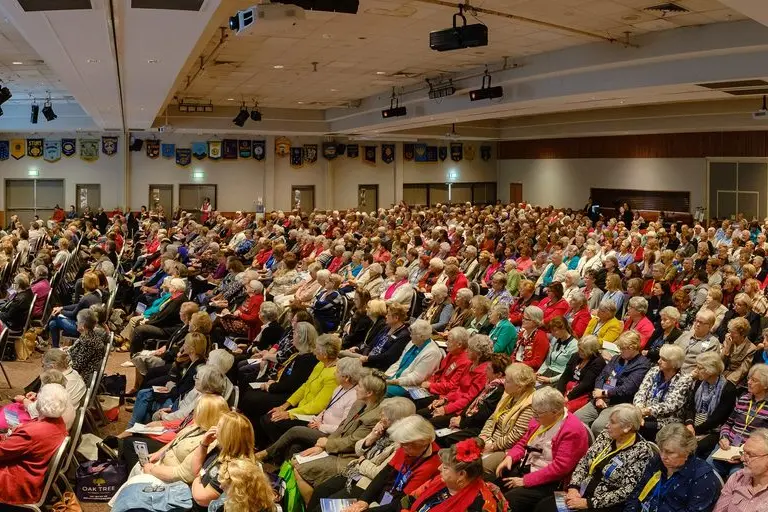
PHOTO
Access to healthcare and housing, threats to safety, and financial challenges, were among the issues NSW women commented on as part of the Country Women’s Association (CWA) of NSW inaugural Annual Women’s Survey.
More than 60 per cent of respondents cited limited access to primary and specialised healthcare providers as of most concern when it came to healthcare, and almost 70 per cent said the high cost of housing and a shortage of housing stock was the most worrying aspect.
The survey was launched in August last year and was open until October, with the results now collated and the top issues identified. There were 1670 responses in all, with 80 per cent of those coming from women outside the state’s major cities, and the majority of those respondents 45 years and over.
“This was our first survey, and we weren’t sure what kind of response we’d receive, so to have that level of involvement from NSW women was really pleasing," CWA NSW President Joy Beames said. "This will now become a regular activity on our annual calendar, so we’d be hoping as more women become aware of the survey, the number of respondents will continue to build.
“As the biggest women’s advocacy group in the state, we developed this survey so we could get a real sense of what NSW women were concerned about and ensure our representations to policy makers reflected the issues they feel most strongly about.”
The release of the CWA of NSW’s survey findings follows the release earlier this month of the Federal Government’s 2025 Status of Women Report Card. The annual report card examines the impact of a number of the issues put forward in the survey, such as gender-based violence, economic equality, and security and health.
The CWA of NSW’s survey found on the issue of safety, 34 per cent of respondents said an insufficient law enforcement presence was of most concern, 30 per cent cited gender-based violence and harassment, and 15 per cent said a lack of protective infrastructure like street lighting was of the greatest concern to them when it came to safety.
When it came to the issue of finance and economic challenges for women, 51 per cent of respondents said access to affordable childcare and flexible work arrangements was of most concern, and 26 per cent believed it was pay inequality and lack of opportunities for career advancement.
In response to an open-ended question on the most significant issues affecting women, 19 per cent put housing availability, affordability, and quality, at the top of their list, and 15 per cent highlighted personal safety, domestic violence, and availability of support services. A total of 11 per cent said transport and digital connectivity (access to, reliability, and affordability) were the biggest issues, and another 11 per cent said employment and cost of living issues caused them the most concern.
“We’re really pleased so many women took the time to participate in the survey and provide this starting point for the database we’re hoping to build. As we see more responses coming in each year, that will start to show whether some of these issues are becoming more or less of a concern, and will help fine-tune our advocacy efforts even further,” Joy said.
“Thank you to all our members who participated, and other women in the community who saw this as an important way to have their say, and they can be sure we’ll be taking their concerns forward,” she concluded.