
PHOTO
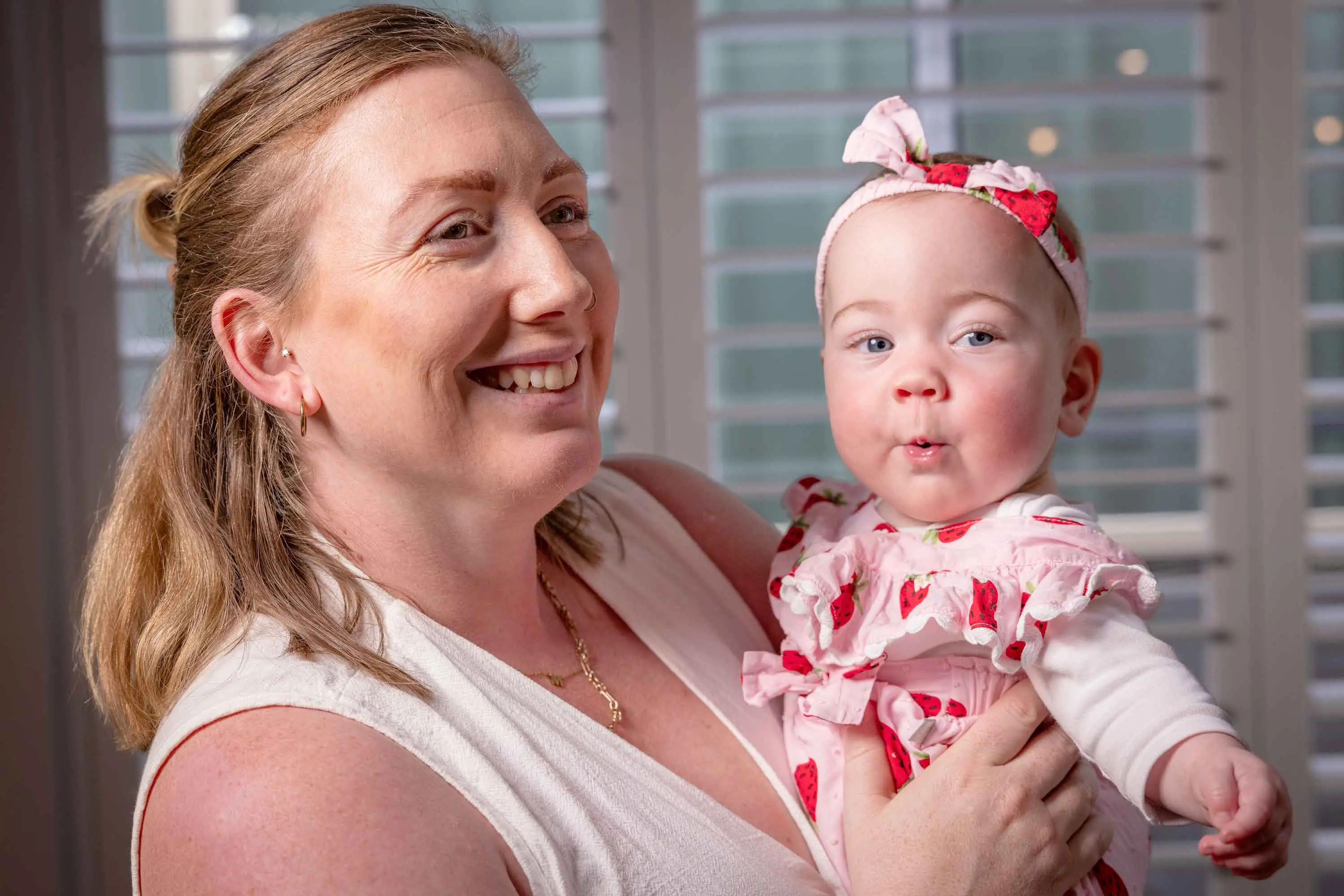
When her identical twin girls were born about two and a half months prematurely, almost everything that followed was out of mum Hannah Topp's control.
Because of their vulnerability, Harriet and Matilda had to go straight to the neonatal intensive care unit at Sydney's Westmead Hospital.
Hannah and her husband Luke were barely able to touch them.
Then tragedy struck.
The babies had developed twin-to-twin transfusion syndrome – a condition where identical twins sharing a placenta receive an unequal blood supply – in the womb, which stunted Harriet's lung development.
She passed away at three days old.
"You've got this grief of losing a baby, then you've got this joy of being a new parent to another baby who's in (intensive care)," Hannah told AAP.
"So you go home without your baby and you plan a funeral for another baby."
The stress stopped Hannah's breast milk from coming through, meaning she was unable to feed her vulnerable babies herself.
However, a program Hannah said she had never heard of, which allows premature and sick babies access to milk donated by other mums, became a lifeline.
"We can't control anything in that situation... but we had the choice to give the girls breast milk," she said.
"That was something that we felt quite empowered by... It was one less thing to stress about."
Since the Australian Red Cross donor milk service began in 2018, almost 3000 mothers have supplied 24,000 litres of breast milk nationally, and more than 15,000 litres have been sent to NSW hospitals.
Supported by the NSW government, the charity this week announced a major expansion of the program to another 28 hospitals, including in Dubbo, Gosford, Wollongong, Wagga Wagga and Lismore.
The program's eligibility has been expanded to include babies in the special care nursery, which looks after infants who need extra support but not the same level of intensive care.
National milk operations manager Chris Sulfaro said the expansion allowed more babies to access what the World Health Organization recommends as the best alternative to a mother's own milk.
"Having access to a reliable and safe supply of pasteurised donor human milk is so important in the care of those tiny little fragile preterm babies," she said.
Ms Sulfaro said the program needed more than six hundred donors a year to meet demand from hospitals.
One of those donors was Hannah, who, after a rough start, said she actually ended up with an oversupply of breast milk.
Now with a happy and healthy seven-month-old, Hannah said she wanted to pass on the gift she had received from other mothers.
"It just made me feel really special that I've been able to help other babies... to have this benefit from breast milk as well, and knowing it's helped ease a bit of stress from other mothers in the same situation that I was in," she said.