
PHOTO
Cutting-edge scientific techniques have revealed potential new opportunities at 28 historic and active mine sites across regional NSW – some located in the Orange, Parkes, Cobar and Broken Hill areas – where significant deposits of critical minerals and high-tech metals have been discovered in old mining waste.
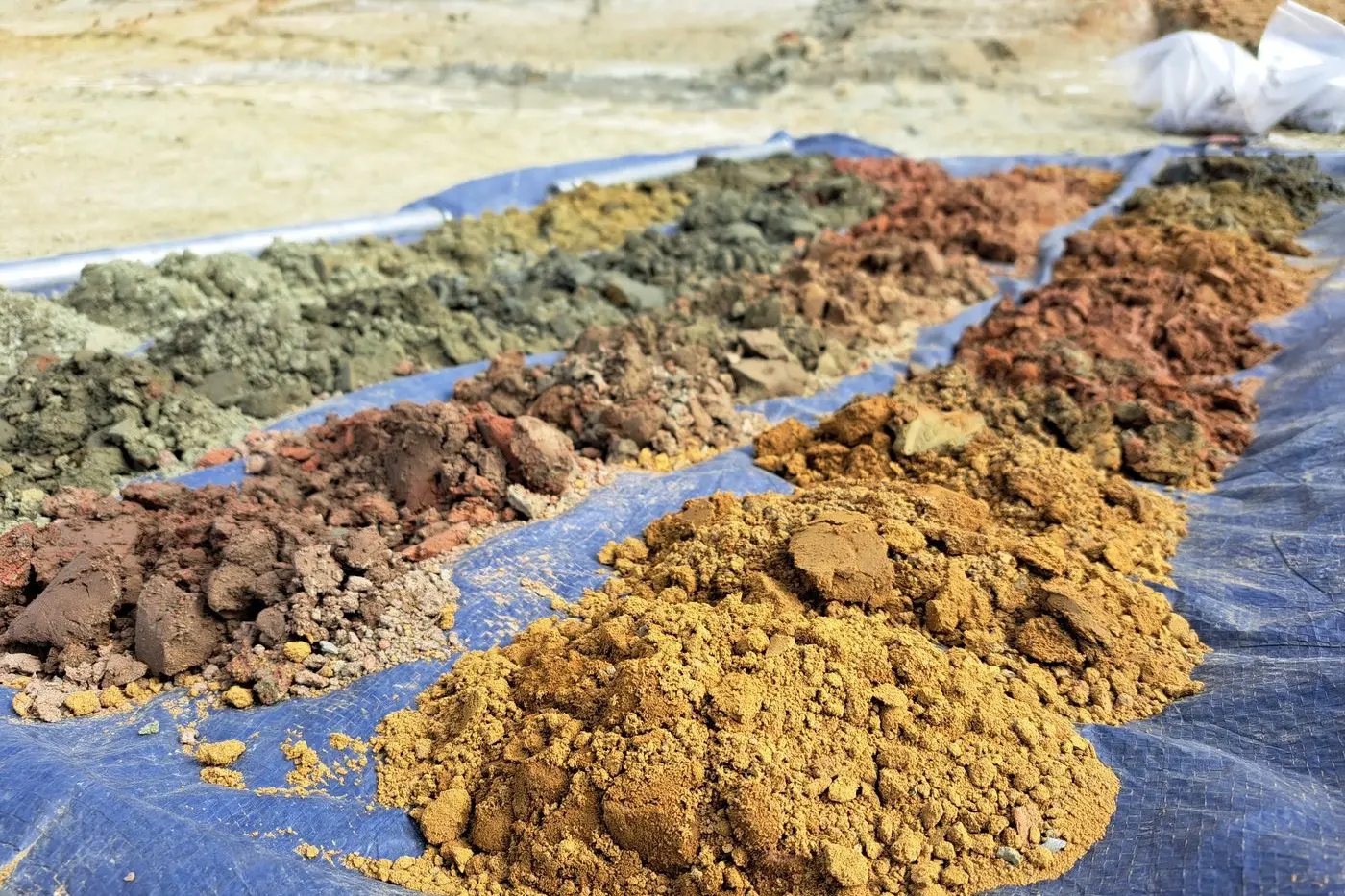
The Geological Survey of NSW’s Mine Reuse Project, undertaken in collaboration with the Sustainable Minerals Institute at The University of Queensland and Geoscience Australia, has collected and analysed over 1200 samples from sites statewide.
This high-precision chemical analysis uncovered elevated levels of 11 critical minerals and strategic metals including copper, cobalt, silver and antimony.
Historic sites such as the CSA mine, Queen Bee, Great Cobar, and Nymagee were identified as having notable concentrations of valuable minerals. Current mines like Peak Gold Mine and Tritton near Cobar, as well as RASP and Southern Operations near Broken Hill, were also part of the research.
NSW Minerals Council CEO Stephen Galilee highlighted the project's economic potential.
"This initiative recognises the ongoing growth in global demand for many of the valuable mineral commodities we have here in NSW.
"It also highlights the need for more mine approvals in NSW so we can play our role in meeting this global demand while also delivering economic benefits to regional communities," Mr Galilee said.
Chief Geoscientist and head of the Geological Survey of NSW Dr Phil Blevin underscored the significance of the findings.
"The Mine Reuse Project is a direct outcome of the government’s commitment to a Critical Mineral and High-Tech Metals Strategy that drives investment and innovation in the exploration and mining sector through the provision of world-class and targeted precompetitive geoscience," Dr Phil Blevin said.
The project findings coincide with NSW Minerals Week, an event celebrating the state's leading role in the global mining sector.

Critical minerals and high-tech metals are essential for clean energy technologies, electric vehicles, solar panels, wind turbines and aerospace applications.
According to the International Energy Agency, the global economy needs six times the current amount of these minerals over the next 20 years to achieve net-zero carbon emissions.
Reprocessing of waste and tailings already underway at sites like Mineral Hill mine in the Central West (gold extraction) and Ardlethan mine site in the Riverina (tin recovery) has demonstrated the economic viability of such ventures. Data from the Geological Survey’s initiatives is freely available, providing valuable insights that de-risk investment and drive exploration efforts in the state.
Mines in the Central West and Central Tablelands regions where minerals have been detected include Broula King, Cargo, Clarence, Endeavour (Elura), Great Cobar, Queen Bee & Nymagee, Hera, Lucky Draw, McKinnons, Northparkes, Peak Gold Mines, Sunny Corner, Tritton & Murrawombie, Ulan & Wilpinjong, and University Dam.
The data release from the Mine Reuse Project is expected to attract more exploration activities, further boosting the already active 190 exploration projects currently pursuing critical minerals across NSW.
