
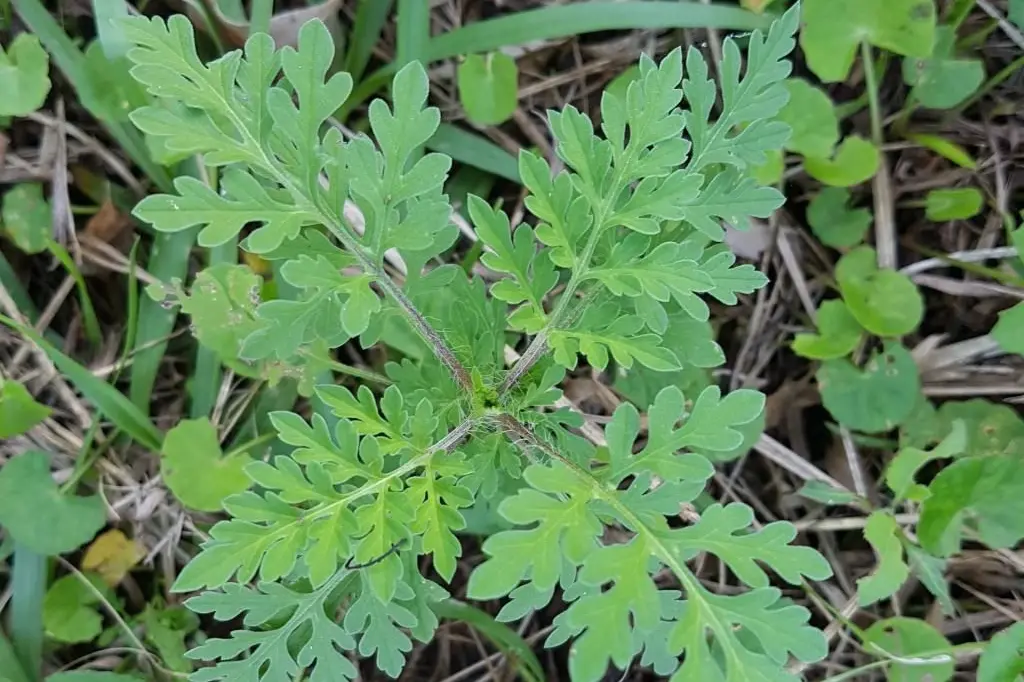
PHOTO
Learning how a major central west pest plant and a serious annual source of hay-fever, ragweed, is able to quickly adapt to new environments could help combat invasive species throughout Australia.
Researchers from Monash University and the University of Melbourne found the rapid adaptation of invasive plants is driven by their ability to gain and lose genes, a phenomenon known as “copy number variation”.
The discovery came while studying the invasive, noxious weed ragweed, which originated in North America before being transported to Europe and Australia. Ragweed is highly-invasive, significantly impacting agriculture and a major producer of hay fever-inducing pollen.
Lead researcher Jonathan Wilson said the findings suggested the same genetic mechanisms are reused to tackle comparable environmental challenges when they invade a new area.
“We developed a new method to detect large gains and losses of DNA, even in old and degraded DNA from museum specimens,” Dr Wilson said.
“This allowed us to track the evolution of these large genetic changes during the invasion and uncover evidence that natural selection likely contributed to their spread,” he added.
The research also identified the gain or loss of the gene targeted by the herbicide glyphosate, which may provide critical insights into the evolution of herbicide resistance, paving the way for more effective weed management strategies.
“This knowledge could be instrumental in developing better strategies to mitigate the spread of invasive weeds,” Dr Wilson said.
“This will have a huge impact on our farmers who are constantly dealing with the threat of invasive plants,” he concluded.