
PHOTO
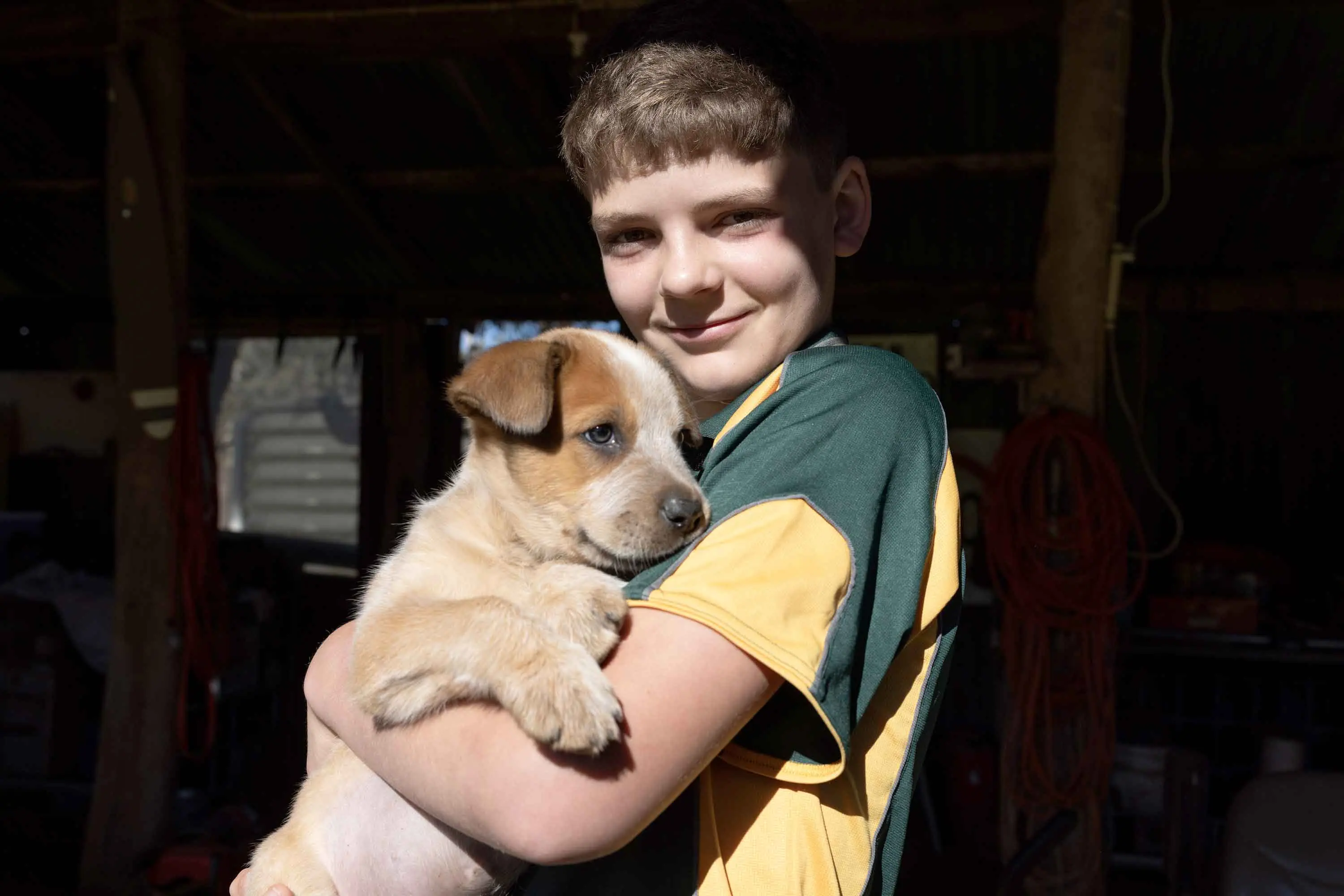
Dusty Langby set out to raise a bit of money for rural children's health care and ended up capturing the hearts of the nation.
The 12-year-old walked 540km from his home in Warren, western NSW, to Parliament House in Canberra to fundraise for Little Wings, an aeromedical service that helped his younger brother Angus.
His campaign raised more than $530,000, which Anthony Albanese pledged to match when Dusty walked the final steps of his trek and into the prime minister's office in September.
"What we need to do is lift people up and be optimistic and positive; you embody that, my friend," Mr Albanese told Dusty.
The schoolboy's remarkable efforts have been highlighted by the Regional Australia Institute as an example of the local leadership and advocacy needed to shift the dial on health care in rural areas.
The think tank's annual report on progress in the bush shows health outcomes are gradually starting to improve, due in part to greater awareness about medical inequity.
The number of full-time medical practitioners increased slightly to 381 per 100,000 people, while access to Medicare incrementally improved to 14.7 services per person.
But the country-city divide still remains stark, with regional Australians losing 49.8 potential years of life per 1000 people, compared with 31.8 in metro areas.
The think tank's report card, released on Monday, shows while 11 targets to improve life in rural Australia progressed in 2025, nine went backwards across education, housing and the economy.
Year 12 attainment rates fell more than three percentage points, literacy and numeracy rates decreased, rental vacancies declined and productivity slumped.
"Regional Australia feeds the nation, powers the nation and helps drive Australia's economic growth," the institute's chief executive Liz Ritchie said.
"When the foundations supporting regional communities weaken, that's not just a regional issue, it's a national one.
"When progress stalls on the things that matter most such as education, health care, and housing the risk is not only slower growth, it's a widening gap in opportunity."
Ms Ritchie said the report should serve as a line in the sand, particularly as the regional population continues to grow and the mining and energy sectors demand more workers.
More than 10 million people called the regions home in 2025, an increase of 1.1 per cent from the previous year, the report said.
"Regional communities are increasingly being asked to help solve some of the country's biggest challenges, including productivity and the energy transition," Ms Ritchie said.
"But communities cannot continue doing more with less."