
PHOTO
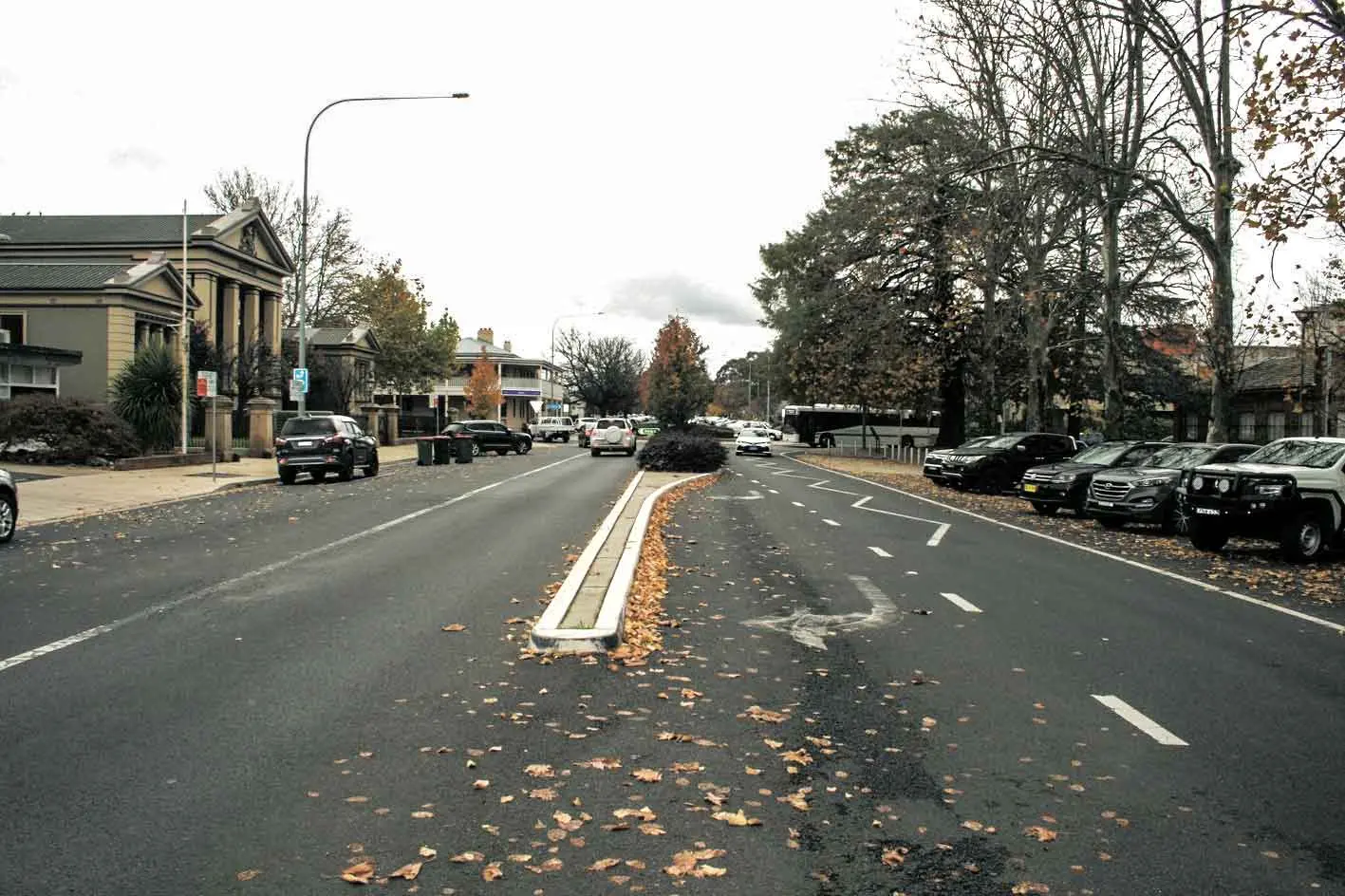
Country people pride themselves on being generally bright, positive, and optimistic. But the cold, short days of a Central Tablelands winter, however, can strain even the most chipper individual.
While it hasn’t exactly been the frostiest start to the season, the impact of a universal condition called Seasonal Affective Disorder – appropriately enough, with the acronym “SAD” – does disproportionately-impact people in higher altitude areas like the Colour City.
Affecting up to 10 per cent of the population, it is often first experienced in people from their late teens to their early 30s, with the condition diagnosed up to four times more often in women than men.
With the shortest day of the calendar year, the winter equinox, on Sunday, June 21, one local reader recently approached Orange City Life with an account of how the condition impacts their day-to-day life in the cooler months.
They reported many of the typical symptoms associated with the condition – low motivation, “feeling down”, tiredness, irritability, and poor sleep function – that gives this widespread form of anxiety its common name, “The Winter Blues”.
If you or your loved ones seem to have any of these symptoms, help and counselling is available from a number of health providers.
Below is their account:
“I’ve always been a bit of a morning person, which means the short days of winter are hard for me at even the best of times.
So, as the light starts to fall at the end of the day, I tend to think ‘that’s it, it’s over’, and I start to feel down.
It’s not just the amount of light I get in a day, it’s the quality so, even in the middle of the day, I often haven’t got the heart to go outside.
This, of course, only increases my sense of torpor, tiredness, and lack of energy, it compounds it... and I often end up eating more snacks and drinking more alcohol.
By the middle of July, I often get a dread that it’s never going to end, that it will be this way always.
However, by the end of August, the days are getting longer and, even though it’s often still cold, I start looking forward to spring, new life, and getting out in my garden again.”
With professional specialist treatments for the condition including “light” and “talk” therapy, there are also a number of commonsense and practical ways that individuals can alleviate SAD.
These include spending at least 15–20 minutes outdoors when the sun is out, particularly in the morning. Experts say that, even on cloudy days, natural outdoor light provides a significant boost to both mood and sleep for most sufferers.
Engaging in athletic aerobic exercise, especially outdoors during daylight hours, can also increase serotonin production and be as effective as medical treatments, such as prescribed antidepressants, for some individuals.
Get the right amount of sleep, try to go to bed and wake-up at similar times each day. Excessive, broken, or irregular sleep, can all affect the general mood and wellbeing of anyone, particularly at the times of the year when light levels are lower than usual, such as during winter.
Lastly, getting away from the cold and frost for a few days either in Sydney, on the north coast, or in one of our warmer western towns, can do wonders for blowing away the cobwebs that almost all of us suffer from during the dead of winter.
For mental health advice and connection to specialist services in NSW, call the NSW Mental Health Line on 1800 011 511.