
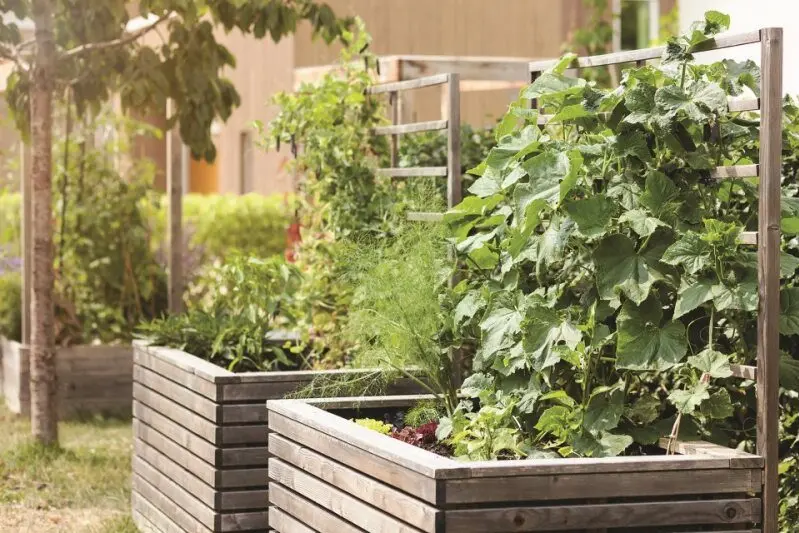
PHOTO
When you create a new garden, one of your first decisions will be whether to use raised beds or in-ground plots. To make the best choice, you should consider your space, soil and gardening goals. Here’s a quick overview of each option.
Raised bed gardening
Raised gardening or container gardening is fantastic for beginners as it gives you control over soil conditions and ease of maintenance. For example, you can fill raised beds with high-quality soil and avoid soil-related issues like poor drainage or nutrient deficiencies. If your yard has clay or sandy soil, raised beds give you a fresh start with the soil you use, so you can ensure optimal conditions for a successful garden.
Additionally, raised beds are easy on the back and reduce the need for bending or kneeling. This makes them more accessible to work in, especially if you have limited mobility. Moreover, the soil in raised beds warms up more quickly in the spring, helping extend the growing season. This is especially beneficial for some climates – consult your local garden expert.
In-ground gardening
Traditional in-ground gardens are great if you’ve always dreamt of a large, expansive gardening space. It gives you enough room to plant a wider variety of crops, especially those requiring more space, like pumpkins, melons and corn.
A big advantage of an in-ground garden is cost. You don’t need to build or fill a raised structure, so it’s a cheap way to start growing your own food. Plus, plants in the ground establish deeper root systems, making them stronger and more resilient.
Both gardening methods have benefits, so mix and match or pick the style that best fits your gardening style. Start your gardening journey with the right supplies from a local gardening store to bring your vision to life.