
PHOTO
Orange Council’s efforts to offer the Colour City as a training base for one of the two dozen national sides competing at next year’s Rugby World Cup (see page 5 of Orange City Life, June 11 edition), highlights our historical links to the second-most popular football code on the planet.
Rugby was first recorded as being played in Orange in the late 1870s, but it’s quite likely that a loose variation of the game was participated in for many years earlier. This would have been the traditional British “folk”, “mob”, or “Shrovetide” football, an un-codified, occasionally violent, and loosely organised kicking and scrambling game played by often intoxicated men at local festivals and holidays
With the first formal club established around 1878 to play St Stanislaus College at Bathurst; the sport was already popular in the Central West. In fact one largely forgotten local legend was a key player in the famous breakaway that saw the new professional code of rugby league split from the-then strictly amateur rugby union.
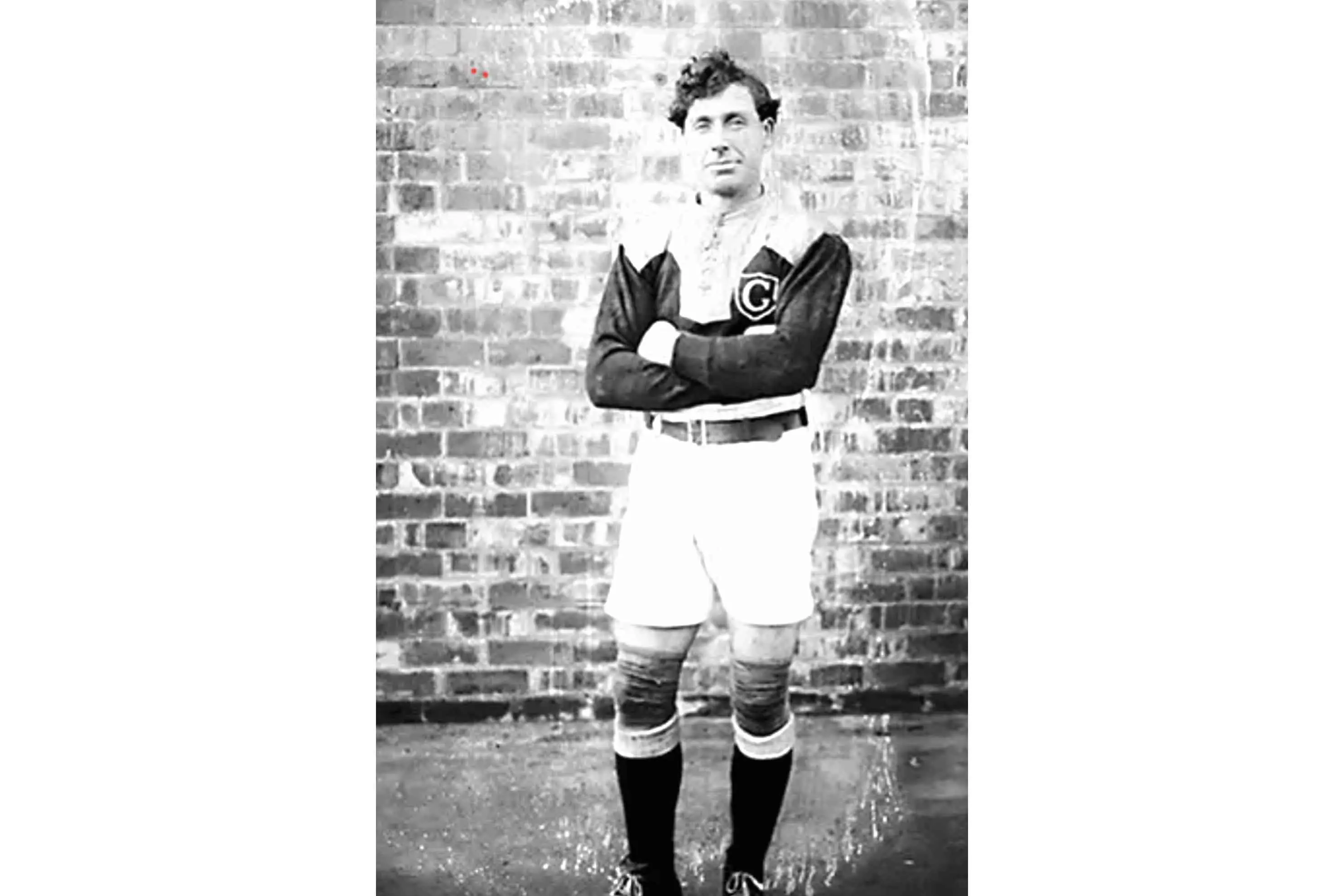
Christopher Hobart McKivat — listed as one of Australian rugby league’s 100 Greatest Players — was a dual-international who is the only footballer to have captained both the Wallabies (winning an Olympic Gold medal in 1908) and later the Kangaroos.
Playing for the local “Our Boys” and “Bowen Bros Tannery” clubs (at a time when local factories would often field football teams), he represented the Wallabies in more than 20 Tests and tour matches from 1907 to 1909 and the Kangaroos in five Tests from 1910 to 1912.
Other famous local players included John Williams, who toured South Africa with the Wallabies in 1963 and famously scored the winning try to defeat the much-feared Springboks at Ellis Park in Johannesburg, South Africa.
David Codey was a fierce flanker from Orange who went on to earn 13 caps for the Wallabies in the 1980s as well captaining the NSW Waratahs; while James Grant was a multi-talented centre or winger with Orange City who played for the Wallabies in the 1980s before crossing codes to play top-tier rugby league for the Balmain Tigers — scoring an intercept try in their 1989 grand final loss — and for Hull FC in England.
Next year’s men's world championship event will involve a record 24 teams split into six pools of four with a total of 52 matches to be played across seven Australian host cities over six weeks from October 1 to November 13.
As well as rugby powerhouses, the Wallabies (Australia), All Blacks (New Zealand), and Springboks, (South Africa) — and the five leading European nations: England, France, Ireland, Scotland, and Wales — next year’s event will also include some lesser-known sides.
These include teams representing Zimbabwe, the United States, Portugal, Hong Kong, Romania, Canada, and Spain. Realistically, it is likely to be one of the “minnows” that would consider making their base for the tournament away from major host cities like Sydney, Brisbane, and Melbourne.
As well as ultimately deciding on their training centres individually, each side will also organise their own warm-up matches, which may present another opportunity for Orange’s new John Davis OAM Sports Stadium at Orange Regional Sporting Precinct at Bloomfield, to get a guernsey!