
PHOTO
The NSW Government has found itself on the nose after rejecting the majority of the recommendations from the parliamentary inquiry into public toilets.
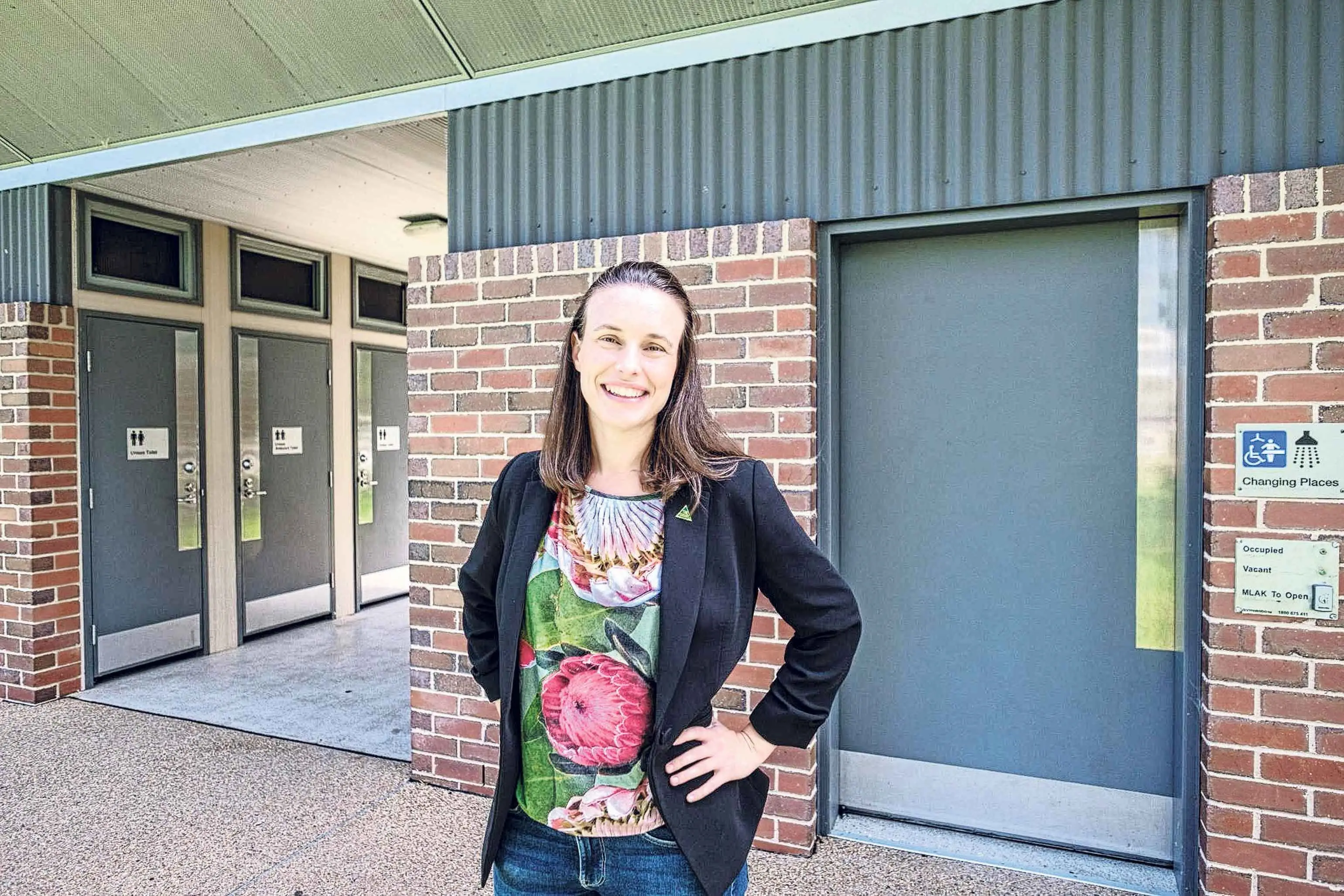
Greens MLC Dr Amanda Cohn, who chaired the inquiry, said the NSW Government rejected 20 of the 22 recommendations from the inquiry, accepting only two recommendations in principle, describing it as “an unusually dismissive response.”
Launched on August 15, 2024, the inquiry was the most comprehensive examination of public toilet provision to be conducted in NSW. It heard from 60 witnesses across five public hearings, received 71 submissions, and produced six findings and 22 recommendations aimed at modernising a regulatory framework the committee found to be “not fit for purpose.”
The inquiry recommended a significant overhaul of public toilet regulation in NSW, including development of a statewide public toilets strategy and establishment of benchmark standards for provision, accessibility and inclusive design.
While a number of the submissions were by private individuals, organisations including Dementia Australia, Guide Dogs NSW, Local Government NSW, Parents for Trans Youth Equity, Continence Foundation of Australia and a number of councils (including Dubbo Regional Council) also made submissions.
“It is deeply disappointing to see such a sweeping rejection of the committee’s work,” Dr Cohn said in a statement.
“The inquiry demonstrated overwhelmingly that public toilets are failing large parts of the community and excluding them from public life as a result.”
Upper House member Stephen Lawrence, who is the duty MLC for a large swathe of NSW including the electorates of Dubbo, Cootamundra, Orange, Bathurst and Barwon, was part of the seven-member committee conducting the parliamentary inquiry.
Mr Lawrence admits he is disappointed by the NSW Government’s response and suggested its focus was on other priorities such as health system issues inherited from the previous government.
"I am very committed to fighting for the best possible framework to ensure quality design and proper provision of public toilets across NSW,” Mr Lawrence told Dubbo Photo News.
"As a member of the committee, I am naturally a bit disappointed that our report hasn't found more favour in the short term with the government,” he added, indicating he will keep advocating for public toilet reform.
Several of the NSW Government’s responses to the recommendations lobbed the responsibility back onto local government – without committing to provide any funding to that sector for these facilities.
“Local councils together with relevant planning agencies remain best placed to manage public toilet facilities in line with their community’s need,” the government response began.
The government's response is unacceptable, some critics have said.
“The Government had an opportunity to act on strong, cross-sector evidence and tripartisan recommendations to improve public health, inclusion and dignity,” Dr Cohn said.
“Instead, it has chosen to back the status quo of poorly regulated and inadequate public toilet provision.”
Megan Spindler-Smith, Acting CEO of People with Disability Australia, was also deeply disappointed.
“The NSW Government cannot keep passing the buck to local councils, it must show leadership and deliver a statewide public toilet strategy that guarantees consistent, accessible facilities across NSW,” she said.
Public toilets researcher and expert Katherine Webber said she was disappointed the government had not taken the lead on public toilet policy.
“While the NSW Government response agrees that public toilets are an essential component of urban infrastructure, their response fails to acknowledge the connection between public toilets and the health and wellbeing of people in NSW,” she concluded.