
PHOTO
Orange City Council has introduced temporary traffic measures in the Orange CBD in a bid to improve traffic flow during the busy Christmas period and encourage people to shop local.
Parking at the Ophir Car Park on the corner of Kite Street and Lords Place will be free right up until Christmas Day, giving families a cost-saving incentive to shop local and spend more time in the CBD, says council.
The initiative was supported by council following a Notice of Motion from Deputy Mayor Cr Tammy Greenhalgh.
Cr Greenhalgh said the decision reflects council’s commitment to supporting the local economy.
“Christmas is the most important trading period for our retailers, and free parking is a simple, practical way to help,” Cr Greenhalgh said. “We want to make it easier for people to visit the CBD, shop local, and enjoy everything Orange has to offer during the festive season."
Cr Greenhalgh said the free parking initiative had proven popular in the past, and she was confident it would make a real difference again this year.
While the parking is free across the car park, council advises that the two-hour time limit for the 36 spaces bordering Lords Place and Kite streets remains. The remaining spaces in the Ophir Car Park are all-day parking.
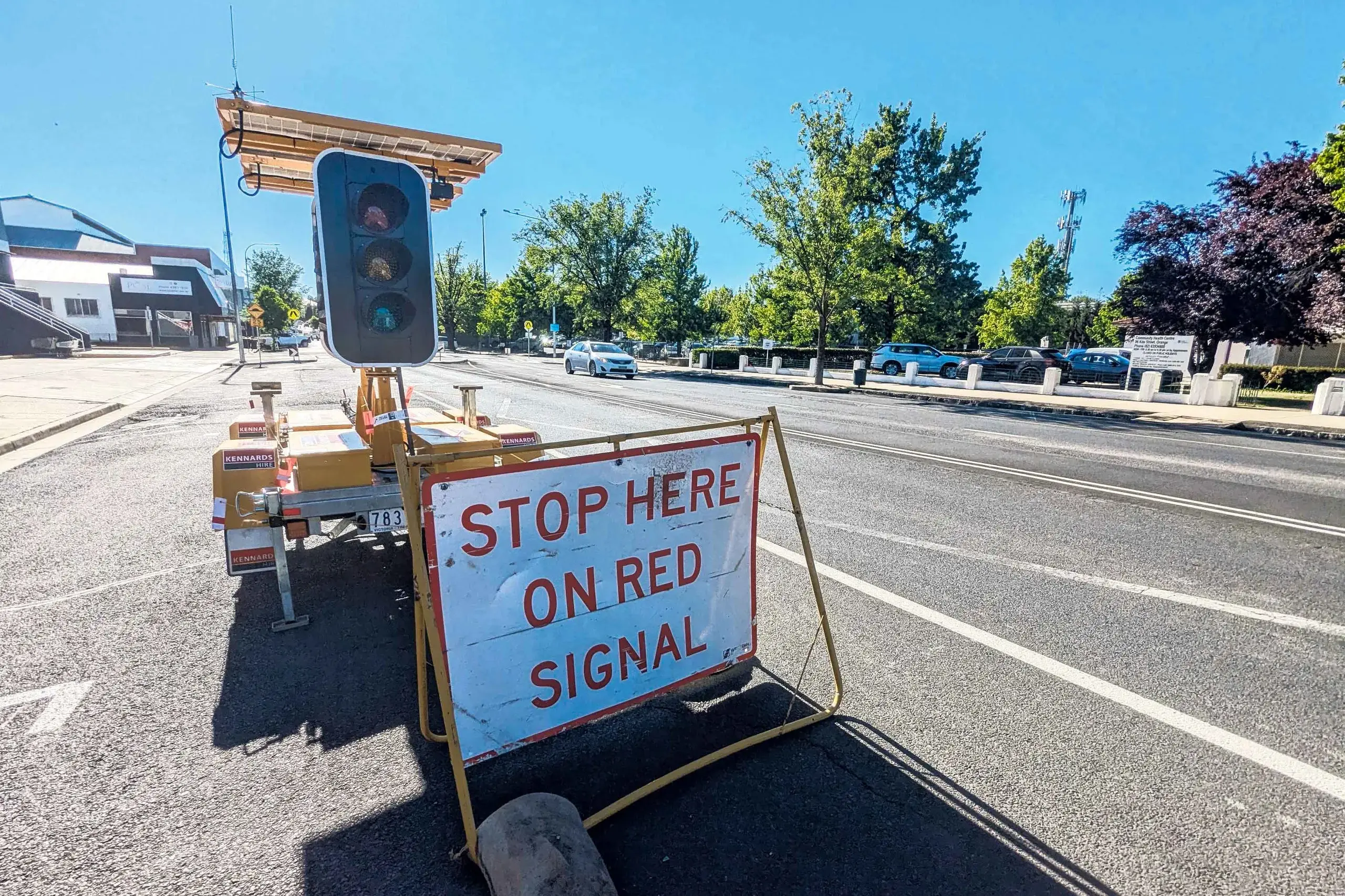
On Monday, council began a trial to help ease Christmas shopping congestion in Kite Street, placing a portable traffic signal in the east-bound lane ahead of the exit from the Orange City Centre car park. In past years, shoppers have faced significant waiting times to exit the car park.
Vehicles travelling east on Kite Street will meet a red light/green light traffic signal just before the pedestrian crossing near the entrance and exit to the City Centre carpark. The signal will be for east-bound traffic only, with a red light at Kite Street to give more vehicles time to leave the City Centre carpark.
The trial period will run until 2pm on Christmas Eve, December 24, with the portable traffic signal operating 10am–2pm Monday to Saturday.
If the trial does not improve traffic flow, the signal will be removed.
Adjustments may be made during the trial, says council and, if successful, similar measures could be introduced during future peak periods, such as Easter.