
PHOTO
Gardening Life.
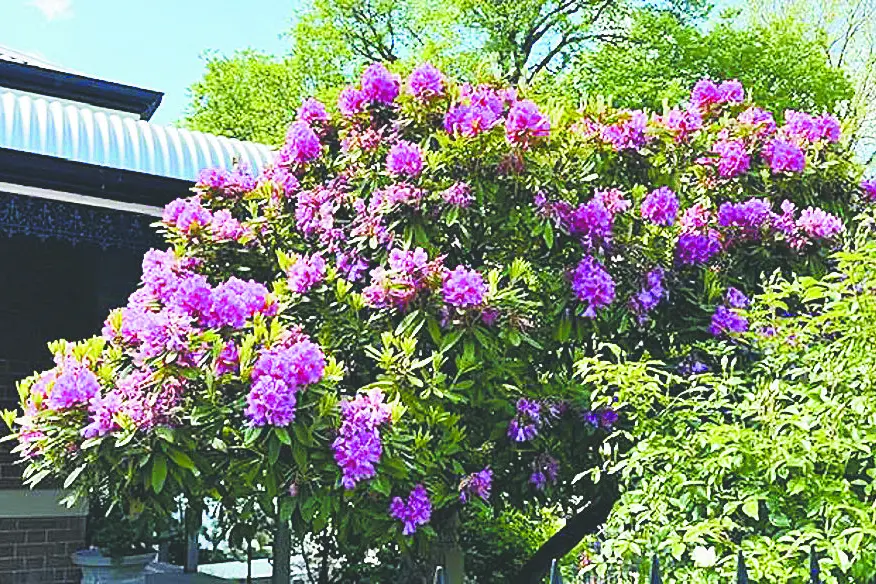
This beautiful, showy large shrub or small tree is flowering now in our district. I can’t remember a season when they have looked this good. They have come early this year so go for a drive now around the district to appreciate their beauty.
There are over 1000 species, which are native to Asia and the Himalayas (it is the national flower of Nepal), but some can be found in North America and Europe. There’s even one species native to Australia (R. lochiae) which is found mainly in northern Queensland but it isn’t as showy as its Asian cousins.
Rhododendron spp. reside in the Ericaceae family (Heath family) and are mainly evergreen, although a few species are deciduous.
In Australia, they flower from September through November. The colour range is large, ranging from white, lemon, apricot, mauves, pinks, magenta and reds and everything in between. The flowers are bell-shaped and tightly clustered with many stamens. Bees and other beneficial insects love them, particularly if they are in the blue range of colours.
They prefer a cool climate and free-draining, acidic soil. They will thank you heartily if you provide regular water, rich humus and quality mulch. They perform best in filtered sunlight, struggling in full sun and poor soil. In the right spot, they can grow to over 4m (12-15ft) and live for over 100 years. There are both dwarf and gigantic varieties. They can be shaped into a tree or left to grow as a loose but prolific large shrub.
Did you know that Azaleas are a sub-genera of Rhodendron? They are also flowering their socks off now. Truth be told, I tend to avoid Azaleas in my garden as they are very prone to lace bugs, petal blight and other diseases. Please give them a go if you have more patience than me. They are fussy buggers and I think there are better options for our district, such as Viburnums (snowball or Pom Pom tree), Malus spp (Flowering Crab-apple) and my favourite of all, the Dogwood or Cornus florida.
Until next time...