
PHOTO
Like many things to do with gold, it’s a story of greed, deception, and self-interest, with Byng, a rural area east of Orange, the scene of the crime.
For decades, Australian history books credited Edward Hargraves with the discovery of gold in the colony of NSW in 1851 at Lewis Ponds Creek — which Hargraves portentously renamed 'Ophir' after the gold-producing region in the Bible — leading to the gold rushes that transformed Australia.
However, the history books were wrong; it was Central Tablelands locals John Lister and three brothers, William, James, and Henry Tom who discovered the gold, under the direction of Hargraves, but who himself played no part in its discovery.
Hargraves had prospected for gold in the California gold rushes of the late 1840s and noticed many topographical similarities in the American west to the Central Tablelands. As well as compiling the team that found the gold, he also instructed them how to make a “cradle”, the rocking device that sifted the gold.
Authorities up until this time had discouraged gold prospecting, fearing that it would lead to convicts absconding, and general lawlessness.
However, the ending of the system of transportation to NSW in 1850, and the loss of many workers and setters from the fledgling colony to California, forced our colonial rulers to do an about-face to and to offer a reward for finding gold.
The two brothers who actually found the first payable gold in Australia (along with Lister) were William and James Tom, locals who had the knowledge that Hargraves lacked.
While Hargraves was away in Sydney in April, 1851, William and James, along with Lister, used the cradle to find a significant amount of gold, including a heart-shaped nugget, which fulfilled the requirement for the first “payable” gold in Australia.
Hargraves then rushed back to Orange, purchased the nuggets from them, and publicly announced the discovery, claiming the entire £10,000 government reward for himself.
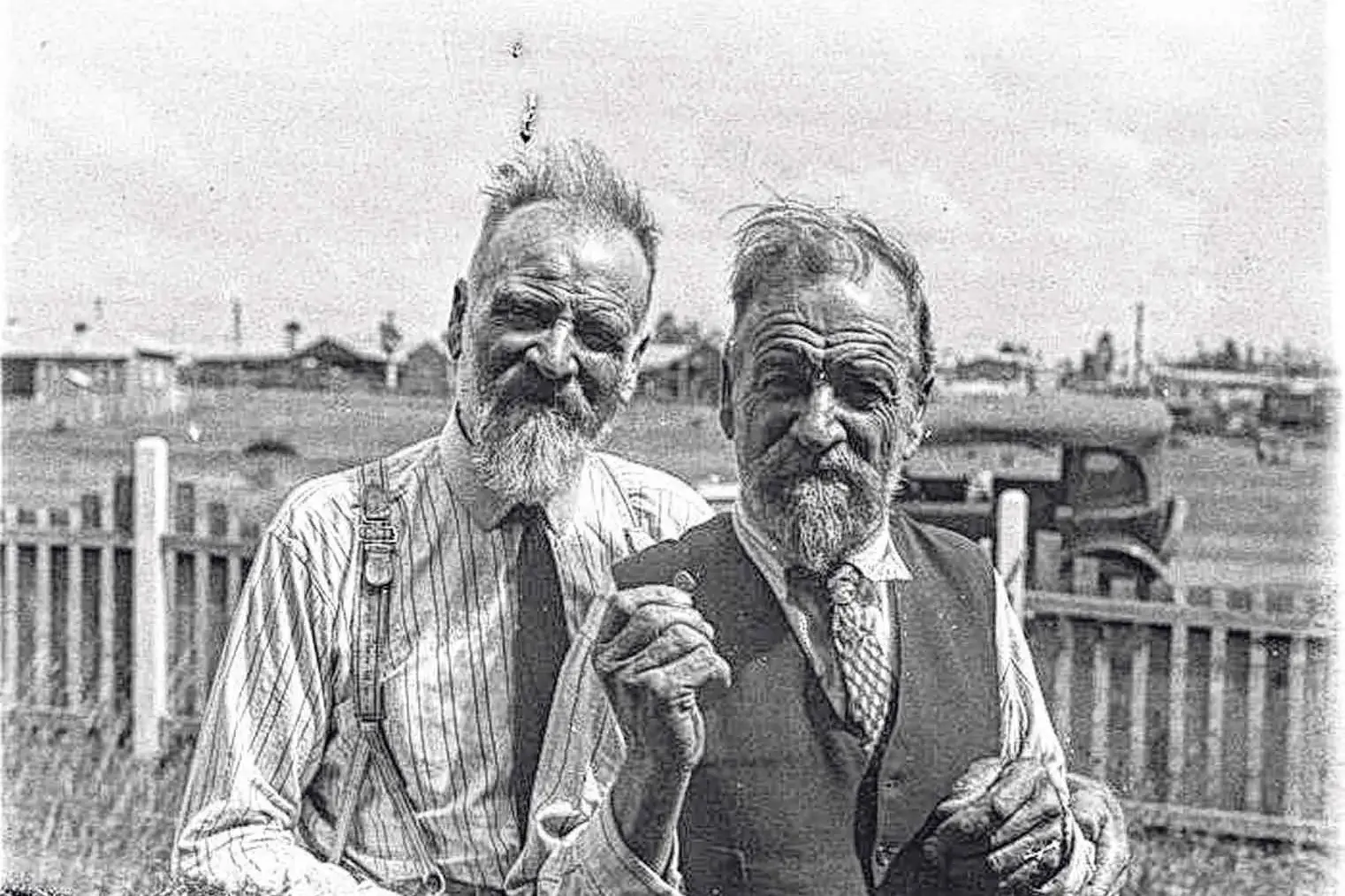
The Tom brothers and Lister received no immediate credit or reward, later campaigning for decades for recognition.
In 1890, a NSW Legislative Assembly select committee finally acknowledged that "Messrs Tom and Lister were undoubtedly the first discoverers of gold obtained in Australia in payable quantity." They were then granted a smaller reward of £1000 each.
Locally, the Tom brothers and Lister are remembered at the Golden Memories Museum in Millthorpe, with Lister having a large headstone in Millthorpe cemetery upon his death.
In an interesting footnote William Tipple Smith, a mineralogist, had also discovered payable gold near Bathurst in 1848. However, this was at a time when authorities were still suppressing information about gold in the colony showing, once again, that timing is everything.
Smith finally received credit for his discovery in 2020, after his descendants worked for years to prove that his story was true.