
PHOTO
Unusual pipe noises, fluctuating water pressure or persistent leaks may signal it’s time to modernise your home's plumbing systems, with experts advising that ageing pipes and fixtures can lead to costly damage if left unchecked.
Plumbing infrastructure in many Australian homes can last decades, but components eventually deteriorate due to corrosion, mineral build-up and general wear. Industry groups and government building regulators say early inspection and timely upgrades can help prevent water damage and improve efficiency.
The first step in any plumbing modernisation project is to assess the condition of the existing system. Homeowners are encouraged to inspect visible pipes for signs of rust, corrosion, damp patches or small leaks. In some older homes, galvanised steel pipes may still be in place, which are more prone to internal corrosion and reduced water flow over time. Checking the condition of key fixtures such as hot water systems, taps and sinks can also help identify components that may require replacement.
Once the condition of the system has been assessed, experts recommend establishing a clear budget. Modern plumbing materials offer a range of options at different price points. Cross-linked polyethylene (PEX) piping, for example, has become increasingly popular due to its flexibility, resistance to corrosion and relatively low installation costs. Copper piping remains widely used for its durability, while PVC and other plastics are commonly installed for drainage systems.
According to the Australian Government’s Your Home sustainability guide, modern plumbing upgrades can also improve water efficiency by incorporating low-flow taps, efficient showerheads and water-saving appliances.
Finally, it’s important to ensure all work complies with current regulations. There are important set standards for safety, water supply and sanitation.
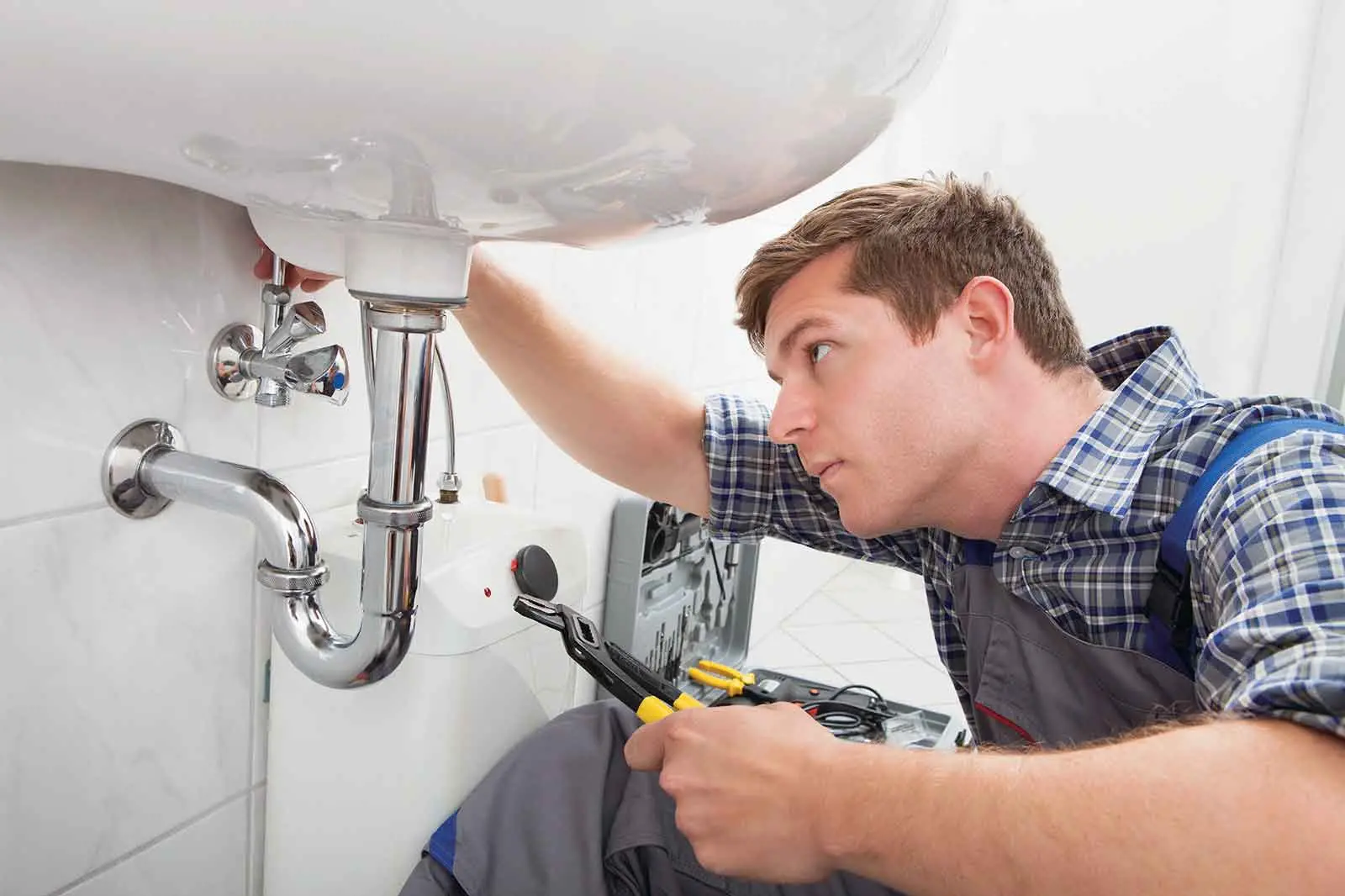
While some minor tasks can be handled by homeowners, licensed plumbers are required for many installations and major repairs. Engaging a certified professional helps ensure the work meets regulatory requirements and reduces the risk of future leaks or system failures.
With careful planning and professional advice, modernising an ageing plumbing system can improve reliability, reduce water waste and protect homes from costly structural damage.