
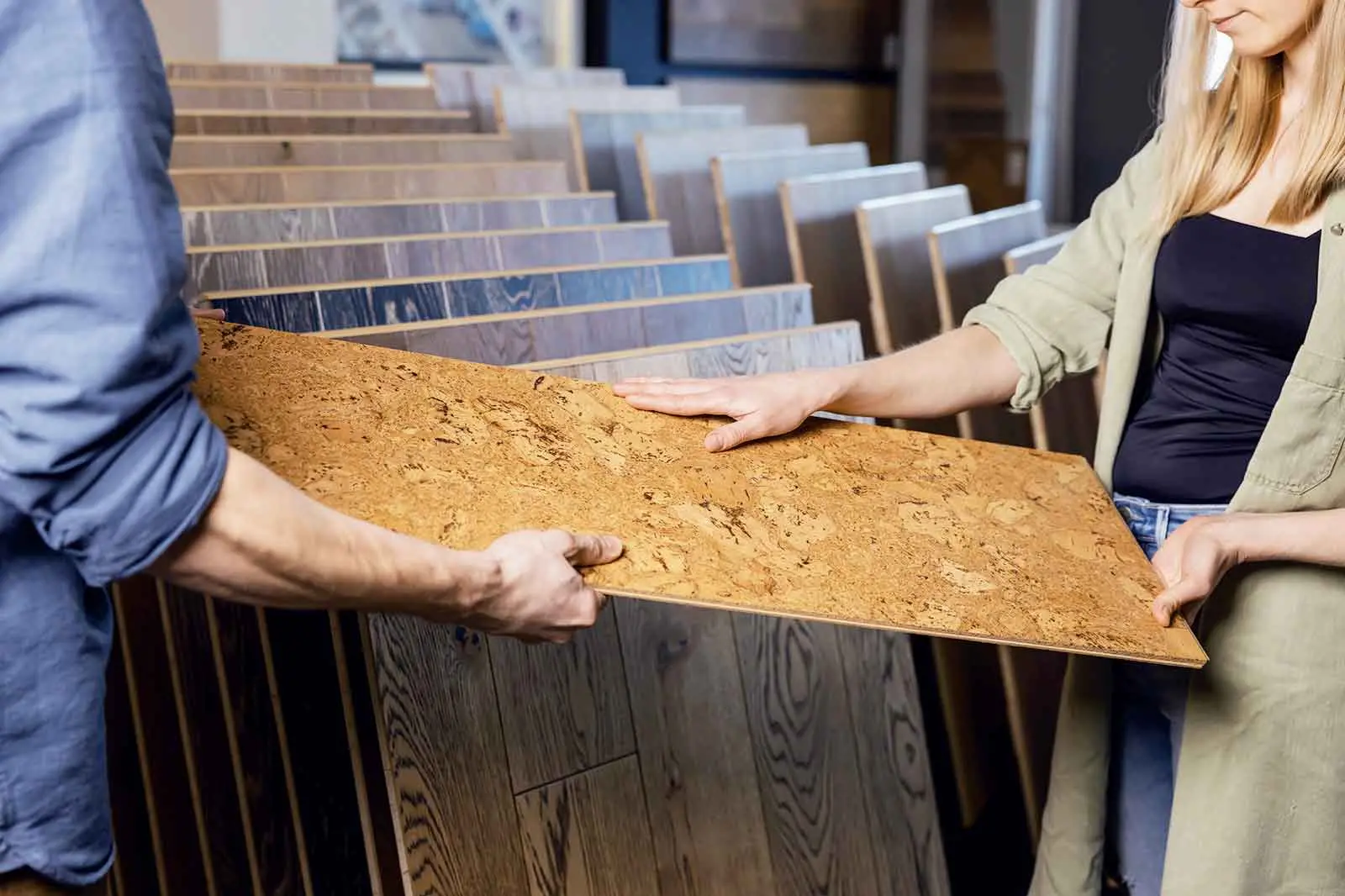
PHOTO
Homeowners planning to install or replace flooring are increasingly being encouraged to consider cork, a natural material that offers insulation, durability and environmental benefits.
Cork has become a popular (although some people might say "niche") flooring option in recent years due to its unique structure and sustainable production.
One of cork’s most appealing features is its natural insulation. The material contains millions of tiny air pockets that help trap heat, making it warmer underfoot than many hard flooring surfaces. According to the government’s Your Home guide to sustainable building materials, this insulating property can also help improve indoor energy efficiency by reducing heat transfer through floors.
Cork flooring also provides effective soundproofing. Its cellular structure absorbs vibrations and reduces noise transmission between floors, which can be beneficial in multi-storey homes, apartments or media rooms.
Another advantage is comfort. Cork is naturally soft and slightly springy, offering cushioning underfoot. This makes it particularly suitable for areas where people stand for extended periods, such as kitchens, laundries or home workshops, helping reduce strain on joints and backs.
Health benefits are another consideration. Cork is naturally antistatic, meaning it does not attract dust or particles as easily as some other materials. For households with asthma or allergies, this can contribute to improved indoor air quality.
In terms of durability, cork flooring is designed to withstand everyday wear. Its flexible structure allows it to absorb impacts and resist minor dents. Many modern cork products are also finished with protective coatings to improve resistance to scratches and moisture.
Environmental credentials are another strong selling point. Because cork is harvested from self-regenerating trees and the material is biodegradable and recyclable, it is widely regarded as a renewable building material.
Cork is also naturally resistant to fire and moisture thanks to its waxy compound, known as suberin, although homeowners are advised to clean up spills promptly to maintain the surface.
Be sure to consult experienced retailers or installers to determine whether cork flooring is suitable for specific rooms and conditions within your home.